After years of an impersonal culture that focused on transaction management, workers’ compensation is often looked at through a negative lens instead of as a benefit — but that is all changing.
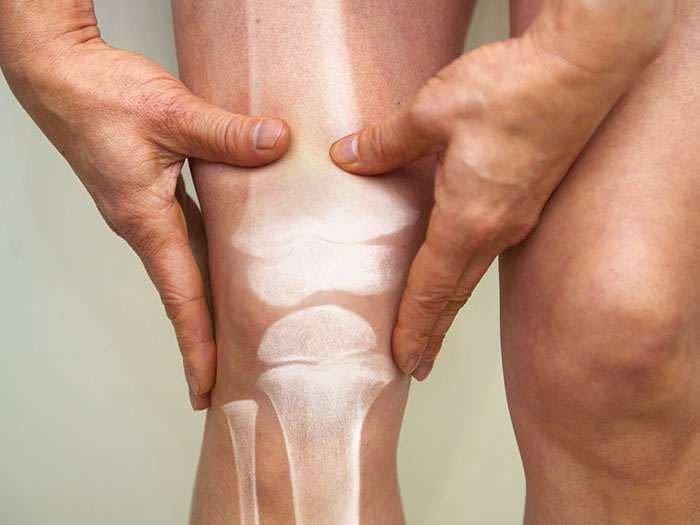
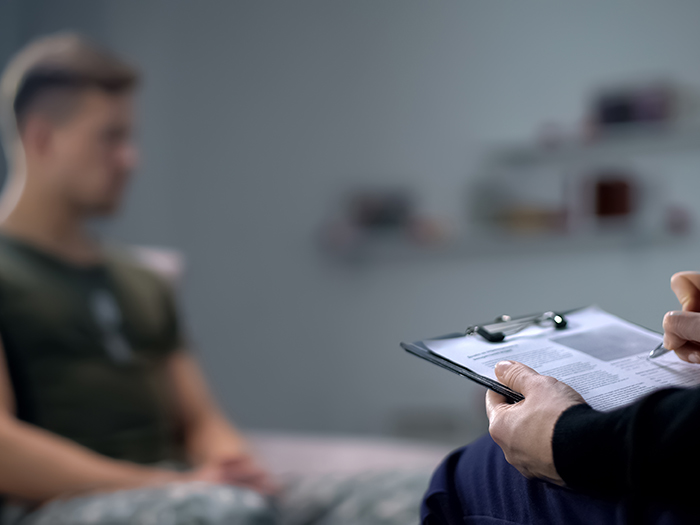
Musculoskeletal conditions are a big problem for workers’ comp. Leaving their mental health side effects unaddressed could make these injuries an even bigger risk.
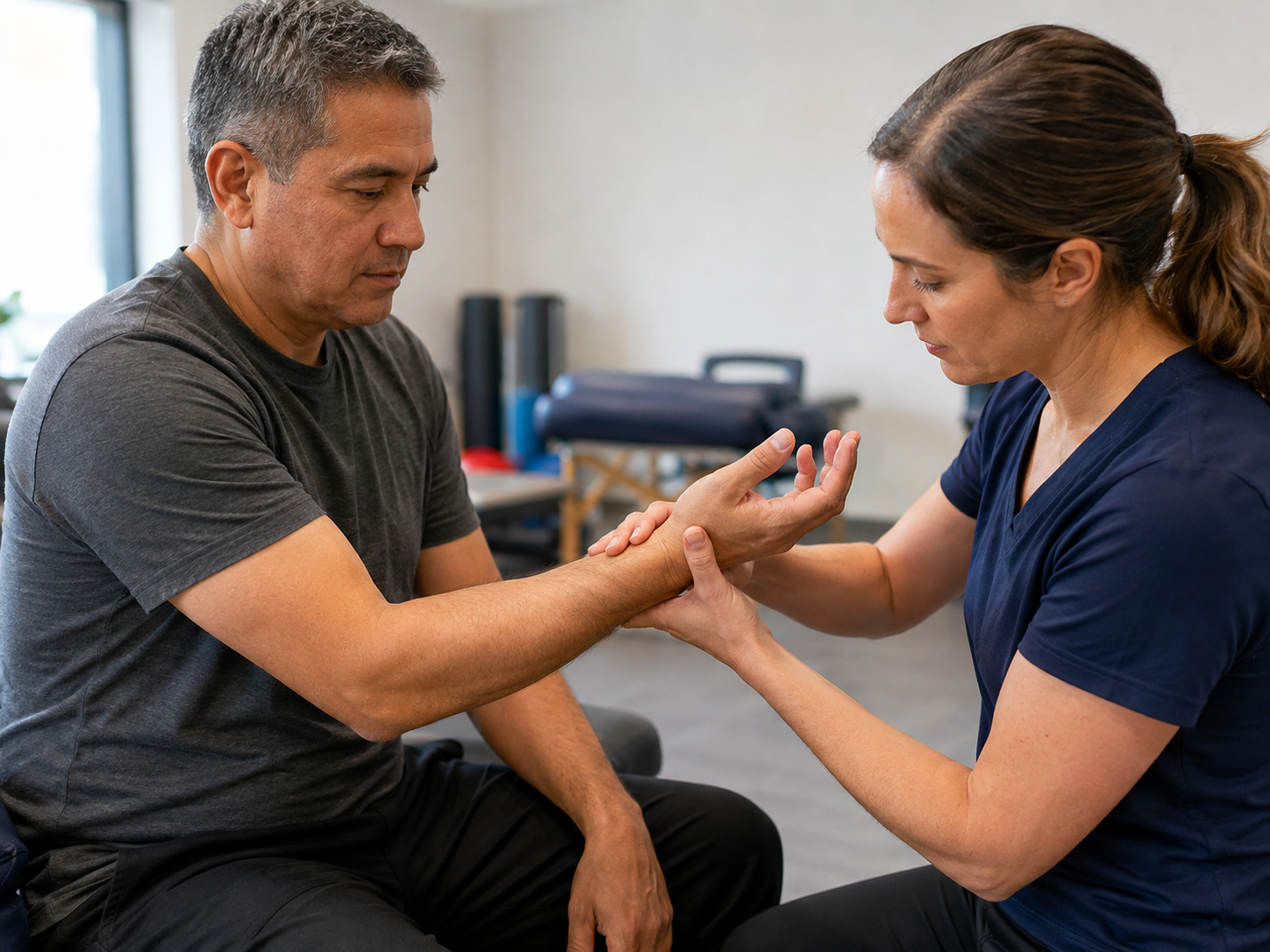
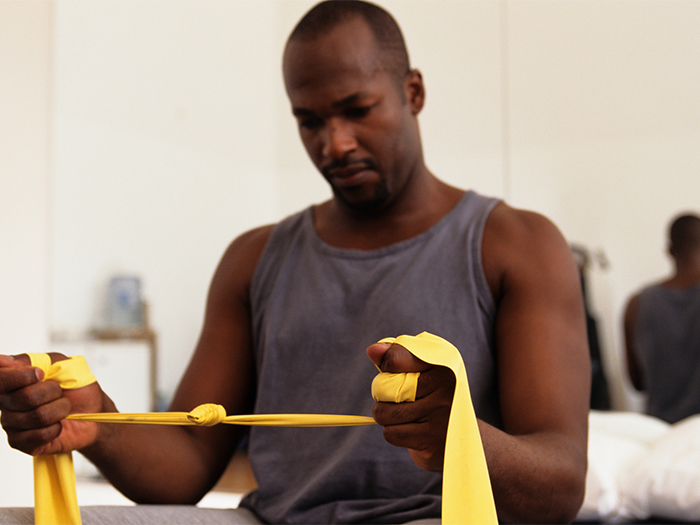
A recent WCRI study found that initiation of physical therapy within the first two weeks post-injury is associated with lower medical utilization and costs and shorter duration of temporary disability.
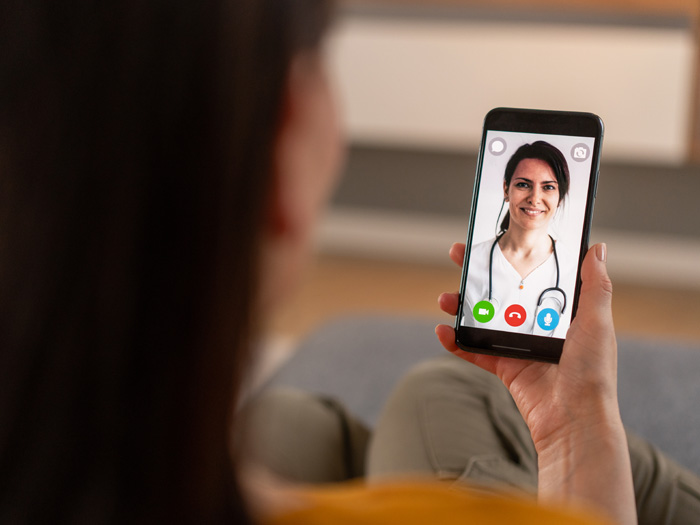
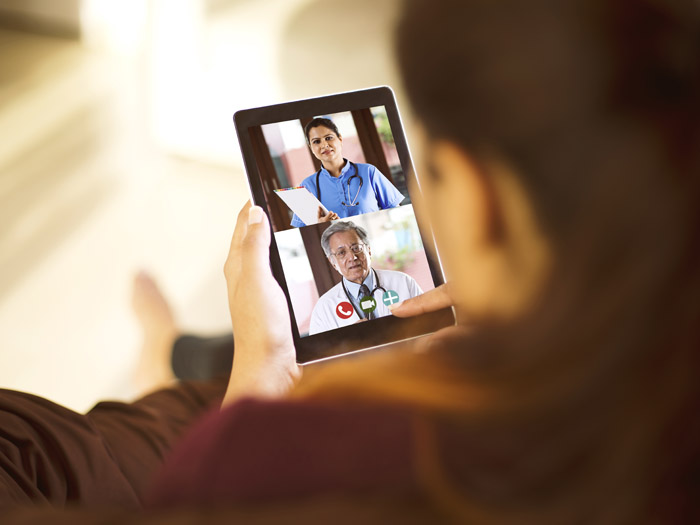
Telemedicine is growing in popularity for workers’ compensation programs. See how Starbucks successfully integrated telemedicine into its program to benefit its workforce.
In the first installment of the National Workers’ Compensation and Disability Conference’s CompTalk series, MedRisk’s Brian Peers talks telerehab in the COVID era.
An on-demand session from the 2020 National Comp virtual event explores how treating injured workers like pro athletes can shorten recovery times and keep workers off opioids.
Danielle Lisenbey made history by becoming the first female member of the Crawford & Co. Global Executive team. This November, she begins a new chapter as president at MedRisk.
A new report found that workers’ compensation patients are more likely to receive physical therapy treatments and attend more appointments than those in group health.
Paradigm’s chief executive officer of catastrophic care management, Kevin Turner details one crucial aspect that is bringing a holistic approach to workers’ comp: biopsychosocial analysis.
Silvia Sacalis of Healthesystems details the different aspects of holistic care for injured workers and why each is important for a successful return-to-work.