The surprising findings of a recent study challenge common assumptions about workers’ comp outcomes — and reveal the true extent of biopsychosocial factors’ influence.
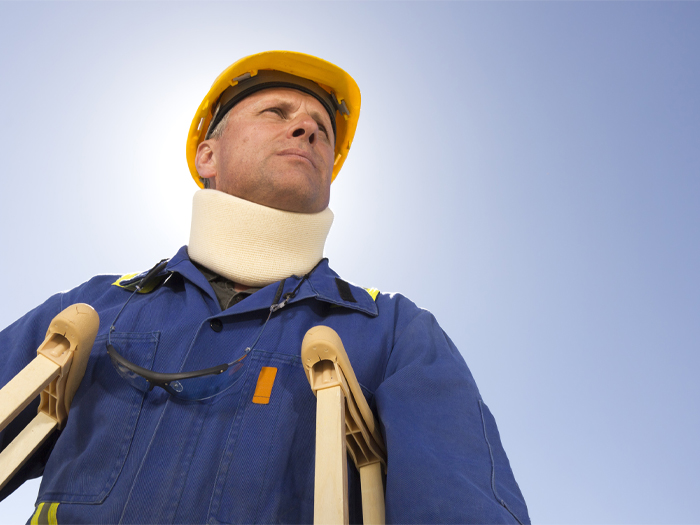
A new report from International Suppliers Networld unveils alarming trends in serious injuries and fatalities across key industries, highlighting the urgent need for enhanced safety measures.
While changing consumer demands, tech and treatment options add to the liability risks facing mental health care providers, there are resources they can leverage to continue delivering quality care.
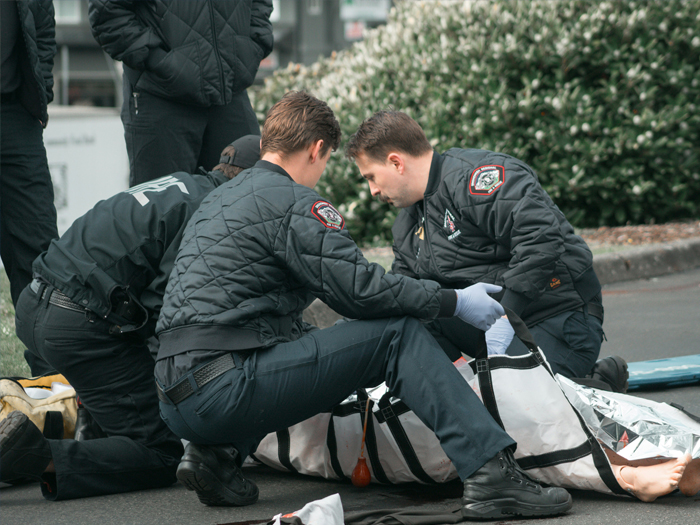
New Jersey broadens workers’ compensation for emergency responders, covering post-shift cardiac events or strokes and easing the proof burden for families to receive benefits.
For the savvy risk professional, the one charged with great power to protect construction workers and the bottom line, becoming a mitigation hero is more than a necessity — it’s a responsibility.
In the case of Federated Insurance Co. v. Summit Pharmacy, the Pennsylvania Commonwealth Court challenged the state’s method of calculating pharmaceutical costs in workers’ compensation cases.
COVID-19 has prompted changes in workers’ compensation coverage to include the virus as a compensable illness in many jurisdictions, prompting a broader consideration of how to permanently extend coverage for contagious diseases.
Mike Hessling, Gallagher Bassett’s CEO, North America, discusses the company’s commitment to service excellence, its unique approach to talent acquisition, and the potential risks and rewards of incorporating AI into the claims process.
Catastrophic injuries can have lasting effects on workers’ physical and mental health, making recovery a long and often complicated process. Following these best practices gives case mangers the best chance of delivering optimal outcomes for all stakeholders.