The best of R&I and around the web, handpicked by our editors.
White papers, service directory and conferences for the R&I community.

Web replica of the print magazine.
A National Safety Council survey found that workers broadly view musculoskeletal disorder prevention technologies as positive for their safety and wellbeing, especially when involved in implementation decisions.
Risk professionals need to personalize safety messages so employees make it part of their on-the-job practice.
As the cannabis industry grows and matures, it is becoming savvier about worker safety and risk management.
Programs that focus on total worker health are becoming an integral part of the way companies manage employee safety and workers’ comp costs.
Biomechanical sensor technology has broad applications for preventing re-injury and correcting movements that cause injuries to occur.
The next generation of connected safety wearables could mark a new era in workplace safety and insurance – but only if the data they produce is harnessed in the right way.
While most safety incentive programs are well intended, employers must ensure that they don’t backfire and discourage reporting.
Experts explain what changes employers can expect from OSHA in the near future.
Employers should be aware of how the effects of aging can increase risks for older drivers in the workplace.
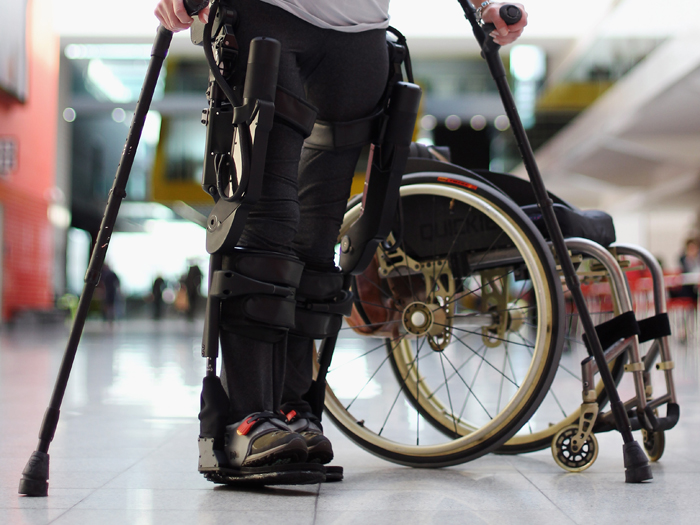
Robotic suits are now becoming a reality in the effort to prevent injuries, according to NIOSH.
Federal agencies are considering safety rules aimed at reducing the risks associated with drivers with untreated obstructive sleep disorder.
With guns a hot-button emotional issue, employers face tough choices for managing related reputational exposures.
Data collected by wearables can make claims more clear-cut, and help prevent future incidents.
Manufacturers must comply with up to 26 different state safety plans.
Employers face liability risks if the child of a traveling or expat female employee is infected.
If the Department of Labor wins the case, all companies may have to revise rules for immediate reporting of injuries.
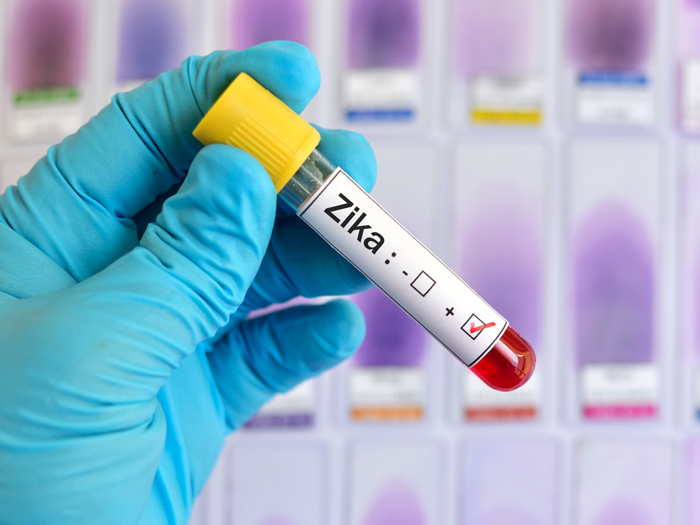
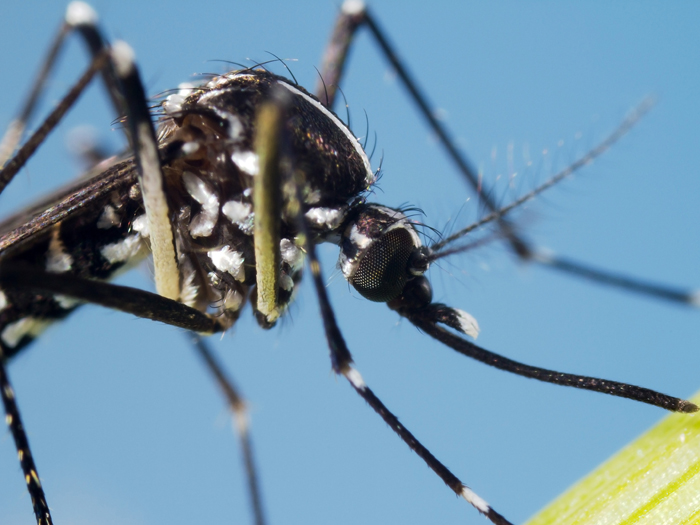
Employers trying to protect their workers from the Zika virus are advised to stay informed and to make sure they don’t run afoul of the law.
Health care facilities must balance safety and security concerns when considering protection methods.
Apply now for the 2016 Theodore Roosevelt Workers’ Compensation and Disability Management Awards.
Safety-focused mobile apps are helping employers reduce injury risk and keep employees engaged with safety.
The widespread epidemic of opioid abuse is affecting employers in ways that go beyond the scope of workers’ comp prescription costs.