Insurance customers show openness to artificial intelligence but nearly 70% believe insurers gain far more from the technology than they do, according to a J.D. Power survey.
Ruling upholds ‘prevalence’ framework, allowing workers’ compensation for employees who contracted virus in high-risk workplace settings without identifying exact moment of infection.
As cyber attacks reach unprecedented levels of volume and sophistication, organizations across all sectors must evolve their defense strategies — leveraging both internal capabilities and external partnerships to build resilient security frameworks.
As risks grow more interconnected, The Hartford’s Gretchen Thompson explains how a data-informed, partnership-focused approach is shaping the next era of commercial insurance.
In workers’ compensation risk management, fragmented data systems can prevent stakeholders from seeing the complete picture. Industry leaders are turning to integrated analytics to bridge these gaps and deliver better outcomes for injured workers.
Artificial intelligence is reshaping how organizations recruit, hire and manage people. For HR and risk leaders, the appeal is clear but risks are emerging.
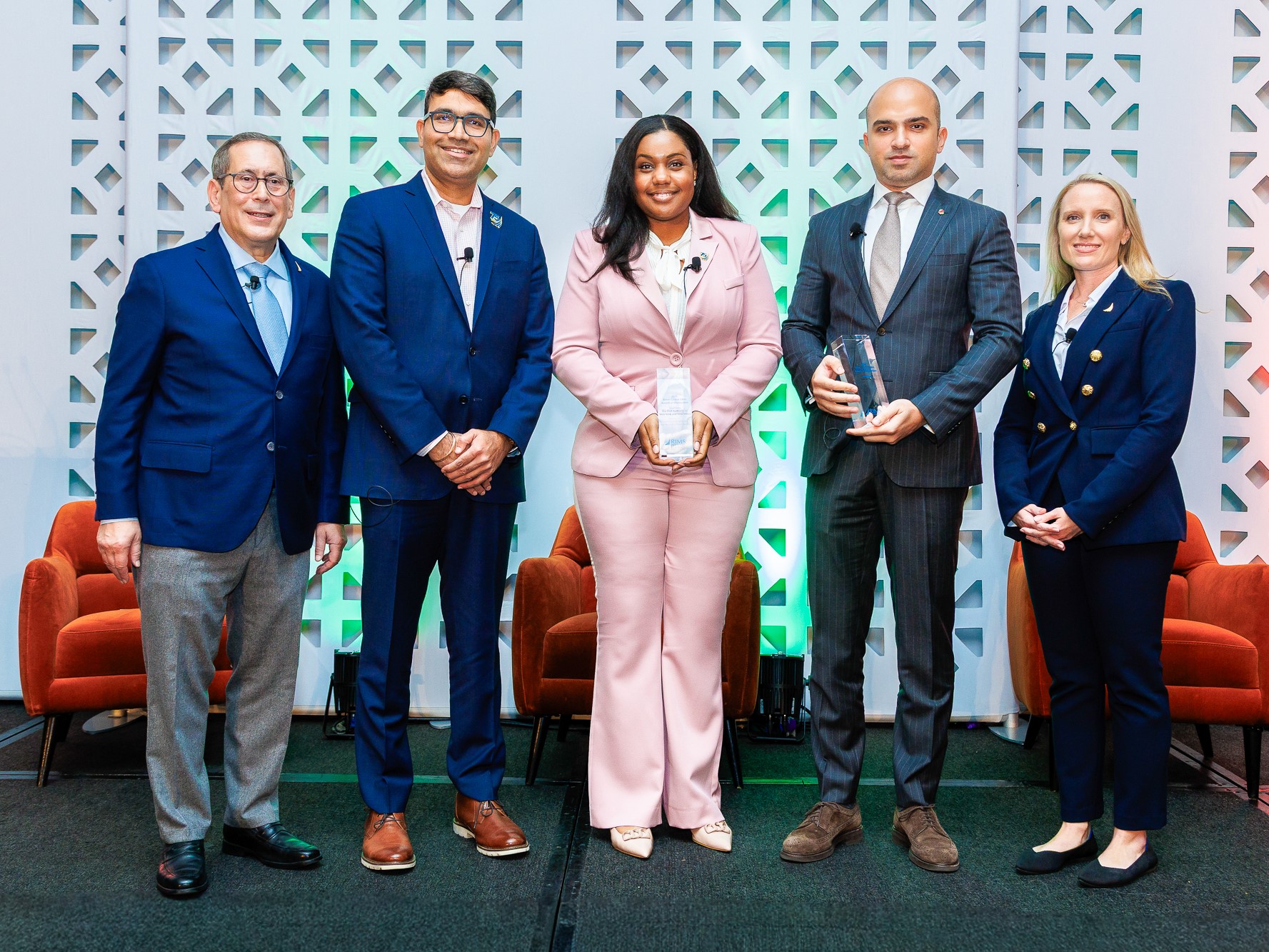
Port Authority of New York and New Jersey and SOCAR Türkiye honored for delivering measurable results through innovative enterprise risk management programs.
As market conditions shift and new technologies emerge, agricultural businesses must navigate evolving insurance landscapes while implementing modern risk management strategies to protect their operations.
As climate change loses ground to geopolitical instability and cybersecurity threats, AXA’s latest research reveals a world where the erosion of trust and social cohesion are making every crisis harder to overcome.
Optum President & CEO Matt Wolfe reveals how AI, modernized platforms, and mission-driven reform are reshaping the workers’ comp and auto no-fault landscape.
New research reveals how municipalities and counties are balancing inflation concerns with strategic investments in infrastructure, workforce well-being, and economic development.
As aging demographics and technological advances fuel explosive expansion in the pharmaceutical and life sciences industries, companies face mounting challenges in securing talent and facilities and should investigate appropriate risk management solutions.