Leadership skill gaps act as a “cascade trigger” for downstream workforce risks, while employee financial insecurity emerges as a top-five concern, according to Marsh’s People Risk 2026 report.
Total costs per claim for lost-time injuries in California grew at a sustained pace from 2022 to 2025, according to the Workers Compensation Research Institute.
Improperly deployed multi-factor authentication accounts for roughly 26% of all incurred losses in the manufacturing sector, more than firms with no MFA at all, Resilience reports.
Nearly three-quarters of organizations have deployed or are piloting AI, but only 18% have seen a majority of their workforce participate in reskilling programs, according to Aon.
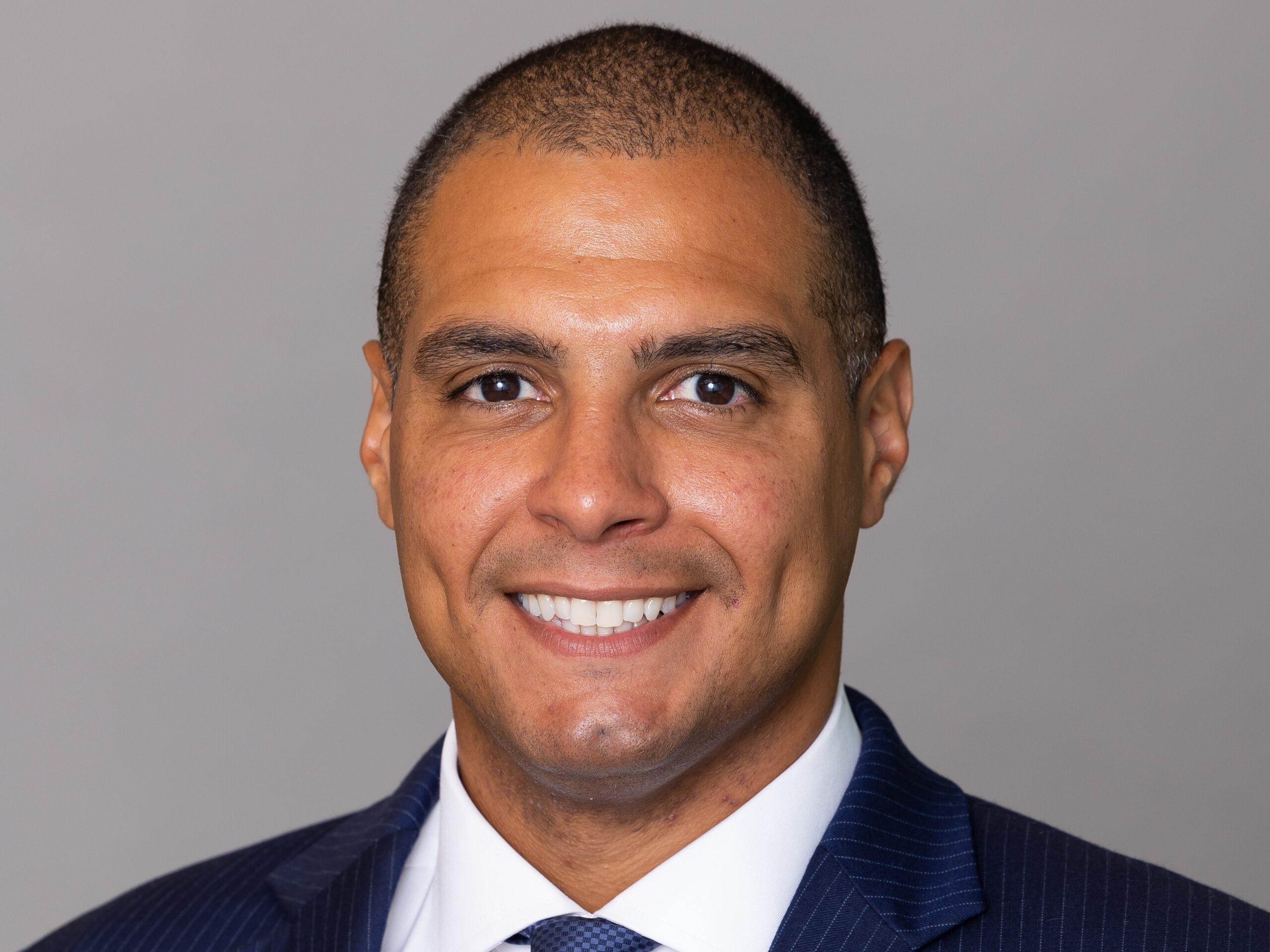
Ron Morrison, Chief Claims Officer at MSIG USA, discusses how AI is reshaping claims operations, why change management matters as much as technology, and how insurers can use data and collaboration to improve outcomes across complex claims environments.
Wildfires and severe convective storms accounted for 99.9% of North America’s $90 billion in natural catastrophe insured losses, according to Swiss Re data.
Despite a 5.3% drop in supply chain crime incidents in the first quarter of 2026, estimated losses held steady at $131.58 million, Verisk CargoNet found.
A global survey of C-suite leaders found that 87% expect commercial insurance to become increasingly strategic over the next three years, according to a report from the Worldwide Broker Network and MarshBerry.
A survey of 1,267 workers across the U.S. and Canada found that safety perceptions have declined despite increased employer investment in hazard assessments and training, according to EcoOnline.
The share of C-level leaders who feel their organizations lack sufficient cyber protection has risen steadily to 89%, up from 81% in 2021, according to Munich Re’s Global Cyber Risk and Insurance Survey 2026.
Geoeconomic confrontation, cyberattacks, extreme weather and aging systems are amplifying risks across essential infrastructure networks, according to a Gallagher report.
A majority of insurance companies anticipate significant AI-driven change within three years, yet few have reached advanced implementation, according to AM Best.
Medical costs in the workers’ compensation system grew at a more moderate pace than the broader economy in early 2026, but NCCI says the trend is unlikely to last.
RIMS recognizes Bray and Specialized Bicycle Components’ Emily Buckley for their leadership in embedding risk management into organizational strategy and decision-making.