COVID-19 has prompted changes in workers’ compensation coverage to include the virus as a compensable illness in many jurisdictions, prompting a broader consideration of how to permanently extend coverage for contagious diseases.
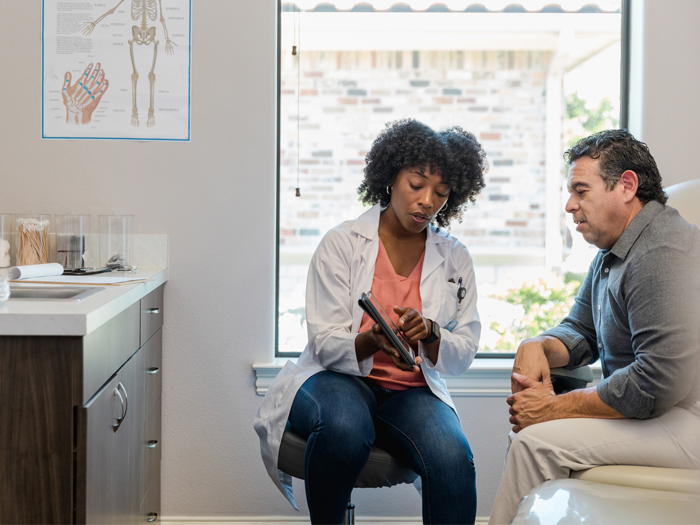
Advanced practice registered nurses are increasingly taking a prominent role in health care. Understanding professional liability exposures connected to their work in today’s litigious environment is paramount.
The insurance industry — which is facing an exodus of older workers over the next few years — must adapt its talent assessment and development strategies to better attract, nurture and retain the next generation of professionals.
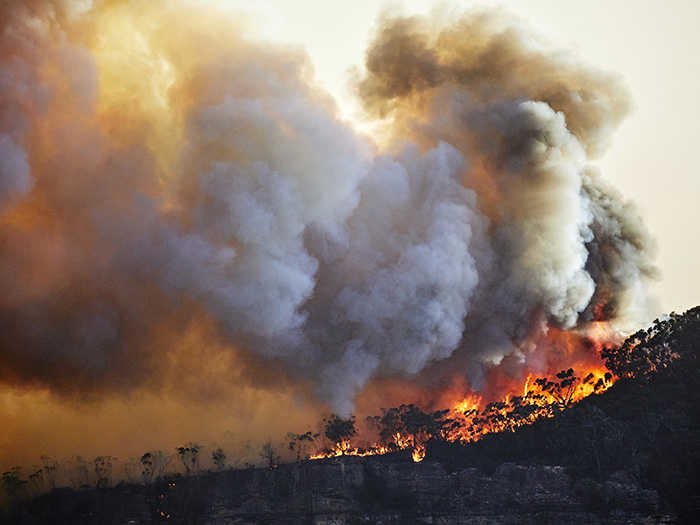
Where increasingly severe weather meets growing populations, property damage from wind, hail and flood may seem inevitable. Fortunately, there’s much that property risk engineers can do.
Growing a prominent “insurance” empire in the 1920s and ’30s brought this entrepreneur fame, fortune and the veneration of the public — at least for a while.
COVID was not the only thing that disrupted business travel. Geopolitical instability, climate risks and a new class of bleisure travelers are making corporate travel more complicated.
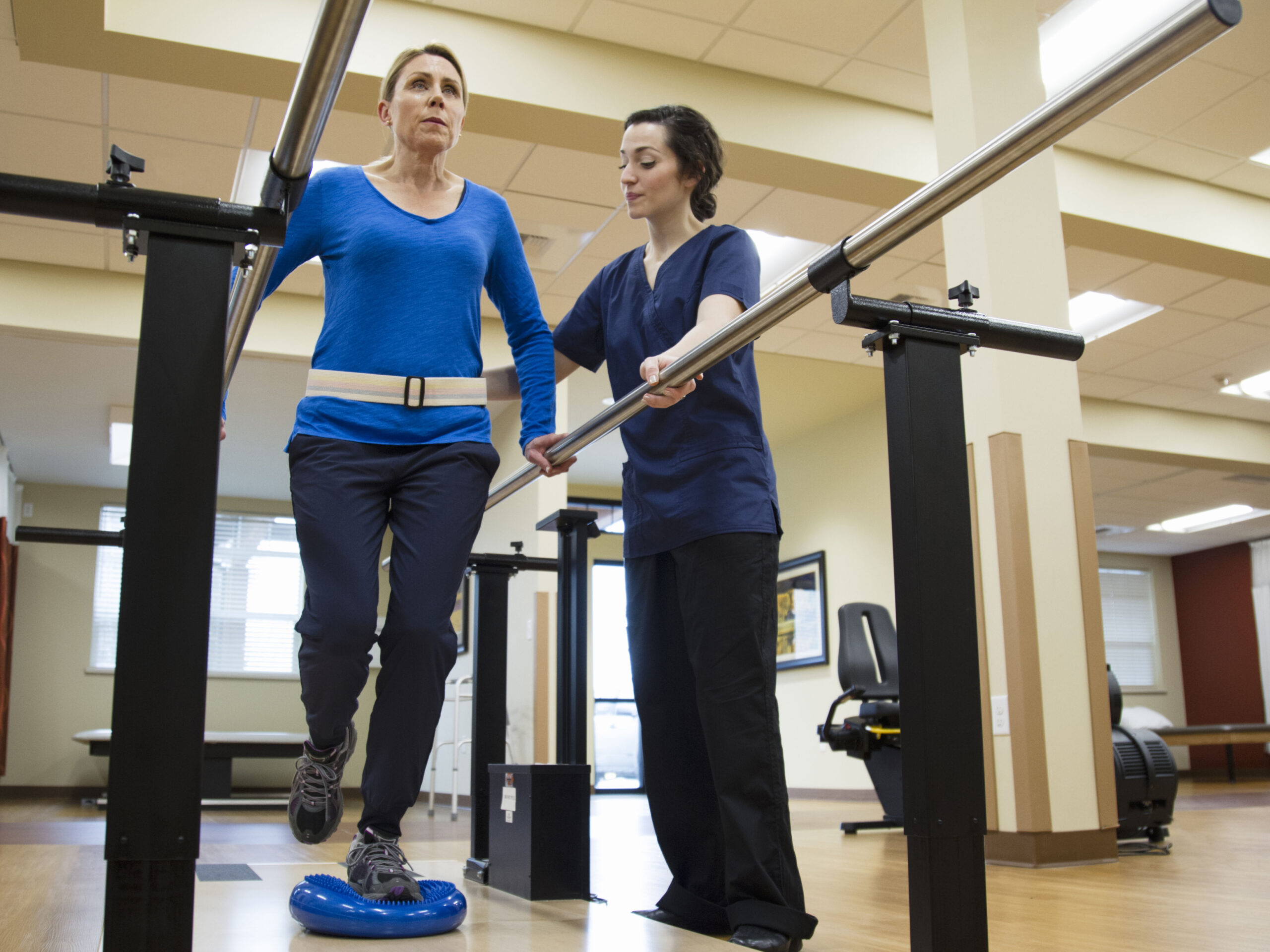
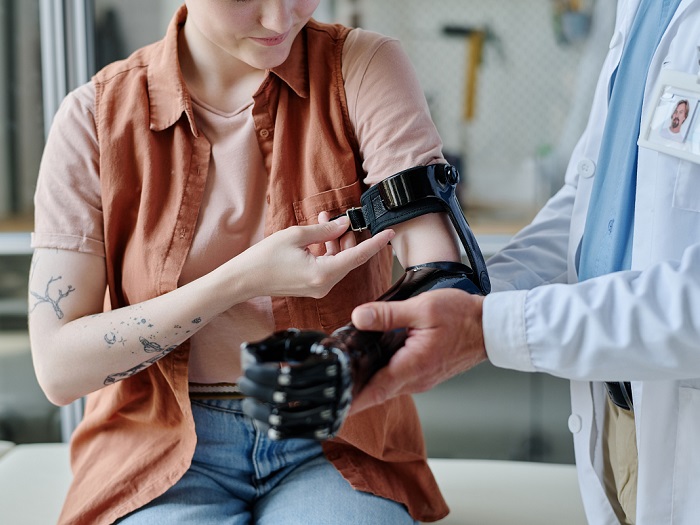
Catastrophic injuries can have lasting effects on workers’ physical and mental health, making recovery a long and often complicated process. Following these best practices gives case mangers the best chance of delivering optimal outcomes for all stakeholders.
In workers’ comp, quick and seamless care produces the best outcomes for injured workers and employers, but the process is rife with opportunities for delay, creating stress for all parties. Three frontline workers share how they navigate those challenges, and what motivates them in their roles coordinating care for injured workers.