From supply chain disruptions to cloud outages, systemic shocks are no longer theoretical. Industry leaders explain why predicting and preventing cascading losses requires new tools, deeper collaboration, and a fundamentally different approach to risk.
When Delaware-based software application and data hosting provider for nonprofits, Blackbaud Inc. suffered a major ransomware attack, sensitive data and information about their clients hung in the crosshairs.
In 2014, two individuals sued Chemical Solvents for bodily injury caused by exposure to chemicals. The company then tendered the defense to its insurers, Greenwich Insurance Company and Illinois National Insurance Company.
After discovering a piece of broken glass embedded in its grass sports field, Oak Knoll School of The Holy Child filed a claim with its insurer, Utica National Insurance Group. The school believed that this contaminant clean-up should be covered under its policy, pointing to a pollution coverage provision that stated, “We [the insurance company] will pay your expense to… View Article
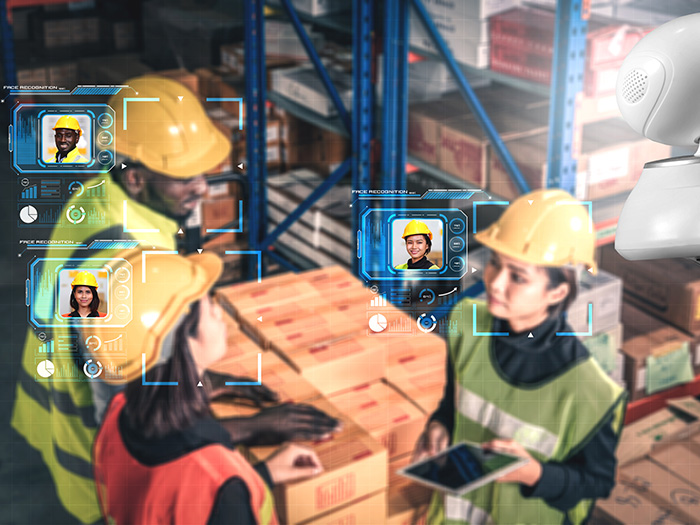
Musculoskeletal disorders continue to plague American workers. New diagnostic approaches are giving safety leaders practical tools to identify and address ergonomic risks before they result in injuries and costly claims.
As artificial intelligence reshapes the claims landscape, insurance professionals reveal how human expertise and strategic relationships remain central to protecting client interests and driving better outcomes.
Timely access to the right medical care and efficient coordination across stakeholders significantly improves recovery outcomes, reduces delays, and supports faster return-to-work in workers’ compensation cases.
As acute mental health cases surge and legal exposure grows, carriers are facing unprecedented challenges in claims handling and underwriting decisions.