Newsletters
 Risk Central
 Digital Edition
2026 Theo Award Winner: Rumpke Waste & Recycling
 Benjamin Wildenhaus has worked in workers’ compensation for more than 20 years. He’s seen the full range of how organizations approach injured employees — from the companies that genuinely care to the ones that treat claims as names on a piece of paper.
Rumpke Waste & Recycling, he’ll tell you quickly, is different.
“It starts with the company as a whole,” Wildenhaus says of the Cincinnati-based waste and recycling operation. “It’s a family-owned and operated company, third generation. The Rumpkes have always treated their employees like Rumpke family members. That’s the direction we get in the workers’ comp department — if somebody gets hurt, it’s like our family is being hurt.”
That philosophy isn’t just a cultural talking point. It shows up in the quarterly claims review meetings, where Rumpke’s CEO sits in — not to provide direction, but because he genuinely wants to know what’s happening with his people.
“He’ll chime in and say, ‘Hey, I know that guy — I actually worked with him 20 years ago,'” Wildenhaus says. “It’s not just saying we’re a family. He shows it by his involvement and asking questions about the employee’s injury and how we as a company work to reduce injuries in our workplace.”
Proactive from the First Call
When Wildenhaus and his colleague Ann Julien joined Rumpke — each bringing over two decades of workers’ comp experience across claims adjusting, supervision, surveillance, and litigation — they saw the same systemic pattern they’d observed elsewhere in the industry: a reactive model that caused delays at every stage, from treatment authorization to return to work.
“Workers’ comp tends to be a very reactive system,” Wildenhaus explains. “We’re waiting on doctors to request treatment orders. Once we get them, we’re reviewing them. Is it related? Do we need a nurse? It delays treatment, delays the claims process, and more importantly, delays employees getting better and getting back to work. We wanted to cut that out.”
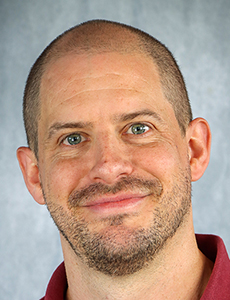
Ben Wildenhaus, Workers Compensation Manager, Rumpke Waste & Recycling
Rumpke’s answer was a nurse-first, proactive model. Within 24 hours of any injury, a nurse reaches out to the employee — walking through symptoms, assessing what’s needed, and directing them to the right provider. A field case nurse attends every medical appointment, serving as a real-time conduit between the clinical setting and the Rumpke claims team.
“Workers’ comp has a lot of rules and regulations, and each state is different,” Wildenhaus says. “We don’t want our employees confused. We want to make sure they’re getting the care they need.” If a doctor recommends an MRI or physical therapy at that first appointment, the goal is approval on the spot — not a review process that takes days and leaves both the employee and provider in limbo.
The team also uses vehicle camera footage and operational data to support early claim investigation, ensuring that all relevant evidence is in front of providers and adjusters from the beginning rather than surfacing weeks later.
The “Mom Hat” Standard
Choosing the right vendor partners has been as deliberate as the clinical approach.
Wildenhaus and Julien have replaced vendors who didn’t align with Rumpke’s values — defense firms, pharmacy benefit managers, DME providers — keeping only those who share the same philosophy about how injured employees deserve to be treated.
The standard they hold their vendors to has a memorable name.
“When we’re looking at treatment decisions with our TPA, we actually say it’s time to put our mom hat on,” Julien says. “How would we treat this person — just like treating our own family?”
That means if an employee needs a specific medication, they get it.
The approach also extends to claims that get denied. When a claim isn’t going to be covered under workers’ comp, Wildenhaus and Julien personally reach out to the employee — explaining what happened, walking through their options, and connecting them with benefits and disability resources so their care doesn’t stall.
“It’s not our responsibility to cover the treatment, but they’re still hurt,” he says. “They’re going through a difficult time. Having empathy along the way really helps — and it drives down costs, because when people feel supported, they want to get back to work.”
Sustained Results
The outcomes have been striking across every dimension.
Medical costs have declined steadily over multiple years. Return-to-work performance has held at 98% for three consecutive years. Lost-time claims are minimal and most injured associates return to light duty within 90 days or less.
“Strong claims management is reflected in fast response, thoughtful care, and a genuine commitment to helping injured associates return to work safely,” said Terry Banaszak, Client Partnership Executive with Charles Taylor.
“Through a focus on early intervention, meaningful transitional duty, and respect for employees, Rumpke has created a program that delivers real value for both associates and the organization.”
“When people feel like they understand the process, that they’re being supported, they want to get back to work,” Wildenhaus says. “They want to do well for this company. And once they are back at work, physically, they start getting better a lot faster.”
For Rumpke, doing right by employees and running a financially sustainable workers’ comp program aren’t competing goals. They’re the same goal — and the numbers, year after year, prove it. &

 The Theo Award celebrates its sophomore year, honoring 28 workers’ compensation programs for their excellence and service to workers across the nation. To learn more about the award and amazing qualities each winner possesses, visit here.