Newsletters
 Risk Central
 Digital Edition
Why Transparency in Litigation Funding Should be the Industry’s Next Priority
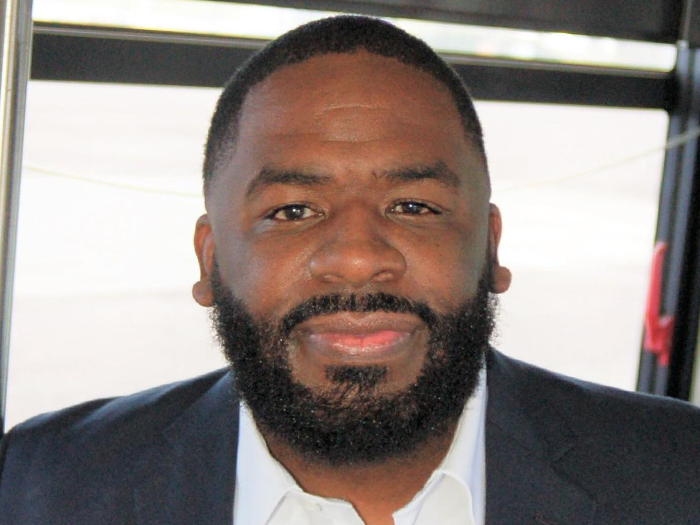
Jayson Taylor, Head of Casualty at MSIG USA, discusses what’s driving today’s severity trends, why transparency around litigation financing matters, and how risk professionals should prepare for 2026 and beyond.
Risk & Insurance: You began your career as an actuary and later moved into underwriting. With that background, how would you describe today’s liability environment?
Jayson Taylor: The biggest change we’re seeing is how unpredictable severity has become. We expect economic inflation — labor is more expensive, medical costs are up, repair costs are up. But social inflation is creating a separate and significant layer of pressure.
Across the industry, you can see this playing out in the data. According to Swiss Re analysis, for example, social inflation has increased liability claims by 57% in the past decade, driven largely by a surge in very large jury awards, some over $100 million. That’s a meaningful shift. When that level of severity becomes more common, the entire curve shifts upward, and outcomes become harder to predict.
We’re seeing larger jury awards, steeper settlement demands, and a wider gap between what risk managers expect and what verdicts actually look like
R&I: Why is this happening?
JT: Third-party litigation funding is becoming a clear contributor to rising severity.
What makes it so influential is that it turns lawsuits into an investment vehicle. If you present an investor with an opportunity that has historically generated strong returns, of course they’re going to participate. But once a liability case is financed, the incentives shift. Instead of the focus being on making the injured party whole, there’s now a stakeholder whose goal is to maximize their return. That dynamic affects how long cases run, how they’re positioned, and how settlement decisions are made.
Everyone in this industry wants to do the right thing. Insurers want to help businesses stay in business, and most claimants want fair compensation so they can move forward with their lives. But when litigation funding enters the picture, the motivations change. That’s having a real impact on the outcomes we’re seeing today.
R&I: Given how litigation funding can influence the direction of a claim, how can balance and visibility be engaged into the process?
JT: The simplest and most meaningful step we’re currently missing is transparency. When an incident happens, insurers are required to disclose the insured’s policy and its available limits — but on the other side of the table, there’s no requirement to disclose whether a lawsuit is being financed. It doesn’t need to be complicated. A basic yes-or-no disclosure — is this case being funded by a third party?
For juries, especially, that visibility is essential. If I were asked to make a major decision about damages, I’d want to know who is involved and what incentives are at play, including how much of the settlement goes to the claimant and how much to investors and attorneys. The lack of visibility currently leaves the system unbalanced.
More information leads to better decisions, and over time it would help right-size outcomes and bring more balance back to the system.
We’re starting to see progress at the state level. Georgia, for example, passed a disclosure bill this year, that other states are already following. The issue even made its way to Saturday Night Live, which tells you the conversation has moved well beyond the insurance industry. It’s something the broader public is now noticing. That kind of visibility matters, because the more awareness there is, the more momentum we’re likely to see behind transparency.
What happens next will be telling. Does disclosure influence settlement behavior? Does it change how cases are evaluated? Georgia will give us the first real indication, and I expect other states will watch closely to see how it plays out.
R&I: If transparency efforts don’t expand, or if reform stalls, what does that mean for the excess casualty market going forward?
JT: We’ll have to find ways to be sustainable and stay in the market. We haven’t seen a true hard market in excess casualty since the 1980s, the kind where even businesses willing to pay high rates can’t find coverage. I don’t think we’re headed there, but that would be the worst-case scenario: if severity continues to escalate and litigation funding keeps pushing outcomes higher, affordability and availability could both come under pressure.
Our goal is to avoid that scenario. Excess casualty must remain accessible, which means understanding what’s driving these trends and encouraging reforms that keep the system fair and sustainable.
R&I: While the legislative landscape evolves, how can brokers and enterprise risk managers remain a “good risk” for underwriters?
JT: The first step is awareness — recognizing that litigation funding isn’t theoretical. It’s influencing real outcomes today. Second, communicate early and often. If a tower needs to change, if exposures are shifting, if you’re anticipating challenges at renewal, bring your underwriters into the discussion. That collaboration is critical when the market is tight. Everyone wants to do the right thing. Transparency between insureds, brokers, and underwriters, and hopefully eventually within the litigation system, helps all of us get to fair outcomes. &