Newsletters
 Risk Central
 Digital Edition
The Broker’s Many Hats: Meet the 2026 Rising Stars

By definition, an insurance broker acts as “an intermediary who sells, solicits, or negotiates insurance on behalf of a client for compensation.”
But we both know this definition is just scratching the surface.
Sure, they broker deals for insurance; and sure, they make certain each client has the basics. However, brokers take on many roles within their service to clients.
They are confidantes, listening to every client beyond the requirements of coverage. They’re liaisons, speaking on behalf of the people they serve. They’re translators, parsing down insurance speak so that clients both big and small understand the full picture of what they’re getting. They’re detectives, getting to the bottom of possible exposures.
Brokers are there for the entire insurance and risk management process, present when needed and behind the scenes when clients’ focus on renewals is a far-off task on the to-do list.
“Brokers are the first line of defense,” said Nneka Akukwe, 28, vice president, client advisor at Marsh Risk, and a 2026 Transportation Power Broker finalist. “It really starts when we’re negotiating coverage with underwriters … it’s really pivotal to understand your client’s exposure and get a true grasp of their true risk profile.”
This year, 116 brokers are recognized as the 2026 Risk & Insurance® Rising Stars, the Power Broker® winners and finalists under the age of 40. These are the brokers in the industry who are constantly and consistently going above the baseline definition of what it means to be a broker, wearing the many invisible hats that come with the job.
No matter the sector or the hurdles they face, these brokers show what it takes to go above and beyond as they carve out a space in the brokering field.
Stepping into the Role of Broker
The class of 2026 Rising Stars is like many brokers who’ve come before them: Their path to insurance wasn’t always linear.
Akukwe, for example, found brokering after a fellowship program offered to her as a second year MBA student: “That fellowship program [with Marsh] was an eight-month long rotational program where we had the opportunity to participate in a variety of modules … I met my mentor at the time … and she put me in contact with some key stakeholders in our marine cargo and logistics practice.”
She built her expertise in cargo, transferring that knowledge into transportation and logistics a year later.
For Tyler Najeer, CLCS, 25, client service manager with Gallagher, and a 2026 Fine Arts Power Broker winner, museums and galleries always held his interest, rooting back to his childhood. The American Museum of Natural History, the Met, the British Museum and more have all become precious spaces he’s visited.
“I didn’t go to college for art,” he noted. He actually began his studies in psychology, attending an art history class as an elective. It sparked some of that passion again and got his wheels turning.
Najeer graduated just around the start of the COVID-19 pandemic. Looking around and trying to decide how to proceed, Najeer turned to the “family business”: “Both my grandmother and my mother did insurance, and then they said that there’s a fine art niche. I thought, ‘Oh, that’s interesting,’ and that’s how I got into it, a third generation of insurance.”
Some 2026 Rising Stars did have a direct sight on insurance from the start, like Valentino Papa, 27, cyber practice leader at RCM&D, and a 2026 Cyber Power Broker finalist.
Papa attended Temple University for risk management and insurance, which “opened my eyes to the different opportunities that existed in the [insurance] world, the different roles, and just how critical risk and insurance is to the world we live in,” he said.
After graduation, the cyber market snuck up on Papa. Originally interested in D&O, he began his cyber rotation during arguably one of the most difficult markets for the space. “It was a very difficult market, difficult to place programs, reductions in capacity, increasing premiums. But the benefits were [the ability to] learn so much and to be exposed to so many different and complex client business and cyber risk problems in such a short period of time, understanding how market dynamics work, the macroeconomic factors behind everything, learning how to deliver touch messages for clients.”
It drove his determination to learn more and do more for his cyber clientele, until he made it his brokering purpose.
Elise Coutré, CPRIA, 37, private risk advisor at Aon, and a 2026 Private Client Power Broker winner began her own career in hotel resort management, which took her around the world. She eventually moved over to risk management in the private client space. The transition was organic, she said: “It comes very natural for me, the rapport-building aspect of my role,” she said.
The Role of Continued Learning
If taking on the role of broker is the first step, growing in it should be considered the next. That’s something that stands out about the 2026 Rising Star class: a dedication to continued learning.
Papa, who has his CPCU, ARM and AINS certifications, likes to keep current in the cyber space, because he understands that his knowledge goes on to help the people and businesses he serves. “I’m always trying to learn and expand my skill sets … there’s so much value in reading the news, and honestly just learning from each other, learning from peers in the industry, whether those peers are from law firms, insurers, wholesalers, security companies and clients, the knowledge I can gain from each and their unique perspectives benefit me as a professional and trusted cyber advisor.”
“One thing about being a broker is that we’re at the crossroads. We are the intermediate between the client and the insurance carrier,” Najeer said. In his world, he’s also bridging the gap between insurance speak and the fine arts niche. The ability to communicate is key.
Especially should a claim arise.
“We have clients who are creative and have a passion for art, but maybe not a business-centric acumen. So, we help them go through policies, line by line … in the event of a claim,” he said.
Claims handling is yet another hat the broker wears — perhaps one of the most important, too, because it puts that intermediary status into action.
Claims Handling and the Broker
Starting as early as policy review, the broker is working to keep claims at a minimum, and for the ones that do progress, to go as smoothly as possible: “By thoroughly assessing risk and tailoring policies accordingly, brokers essentially help to prevent gaps that could complicate claims matters going forward. So, when a claim arises, brokers continue to add value by supporting clients as advocates,” said Akukwe.
Brokers play a crucial role in claims handling. As Akukwe and the Risings Stars agreed, this is where the broker’s role goes beyond the basic definition of the job. The broker navigates the complex language and paperwork, negotiates with insurers, leverages their relationship with carriers to resolve disputes and provide guidance and reassurance throughout the process.
“It’s really important that the broker is available and acts as a sounding board for the client throughout the claims process, following up and letting them know what’s going on and that you’re there,” Coutré said.
“A broker should be intimately involved in the claims process,” Papa said. “I’ve seen instances where a claim might come through, and it’s passed directly to the claims team, and then the broker never hears about it. But in my eyes, that’s not beneficial to the broker; that’s not beneficial to the insured or to the claims advocate or to the carrier, because the broker touches all those roles. If I am actively working on a client’s cyber insurance renewal it is important for me to understand every aspect of that claim.”
This role is one that the Rising Stars said they want to see expanding in the upcoming years. For one thing, Najeer said he hopes to see it go beyond close contact with the clients and expand to closer contact with the insurance carriers: “Because there is a rising use of portals, automation, I do hope that we strive for more face-to-face and person-to-person relationships,” he said.
“I see us having more continued collaboration between broking and claims advocacy at the onset,” shared Akukwe, “Once we do that, we’ll be able to shift [the relationship] from being reactionary to being proactive … to ensure that the proper protections are in place in the event of a claim.”
Advancing the Role of the Broker
The penultimate hat that a broker wears is their ability to take what they’ve learned, show how they’ve grown, and pass that knowledge on to the next generation. One thing that stands out about the 2026 Rising Stars is that they are big proponents of mentorship.
Both Papa and Akukwe spent time in a mentorship program, where they both felt they found their place in the business.
“I’m a big proponent of mentorship and passing knowledge down as I have been fortunate to have benefited from it myself,” said Papa.
“Cyber touches every aspect of business and risk today, and the opportunities to learn are abundant — whether it is in the frontpage news or through speaking with other professionals. Looking at younger professionals who might be in school or right out of it in the industry, I would highly encourage them to reach out to any of the resources out there to help educate [on the profession].”
Akukwe, tapping into her own experience, said young brokers should find the right people to help guide them through the many hats they’ll wear: “Young brokers should remain inquisitive and hungry. Align with thought leaders and experts in your industry to ensure you’re maximizing your exposure. Build and develop genuine relationships.
“Something my mentor told me time and again is just to continue building on top of your theoretical knowledge,” she added. “Practical experience is essential … moments of discomfort are where you’ll grow the most.”
Mentorship is more than passing on knowledge. It accelerates personal and professional growth in a focused space. It helps both mentor and mentee evaluate the profession, share understanding, challenge the norm and expand career goals and networks. Through mentorships, there’s an ability to try on the many hats of the broker while having guidance and a professional advocate by their side.
And as Najeer noted, advocating isn’t just for the client in this business; it’s equally important for a broker to advocate for themselves too.
“You’re your biggest cheerleader, sometimes. Go in, ask the team for help,” put yourself out there, he said.
“There’s so much to learn for any new, up-and-coming broker to get excited about,” said Coutré.
And in doing so, they prove that the role of “intermediary” isn’t the full story — it’s just the starting point. &
The 2026 Class of Rising Stars
Anna Huntley-Robertson
25, Marsh Risk, Trad Energy
Tyler Najeer
25
Gallagher, Fine Arts
Matthew Ginsburg
26
Aon, At Large

Anastasiya Kelnhofer
26, Aon, Cyber
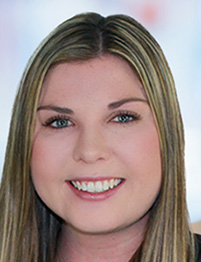
Kate Laughlin
26
Aon, At Large

Reid Waszczenko
26
Alliant, M&A

Ryan Wirtz
26
Marsh Risk, International
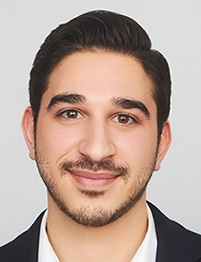
Gabe DiGiamberardino
27, Marsh Risk, Trad Energy
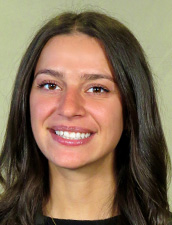
Alissa Kogan
27
Marsh Risk, Trad Energy
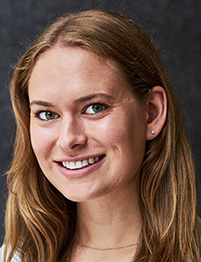
Katie Myczek
27
Aon, Technology
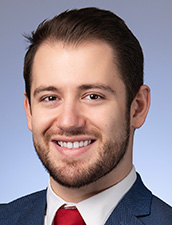
Valentino Papa
27
RCM&D, Cyber

Emily Weiss
27 Marsh Risk, Consumer Products
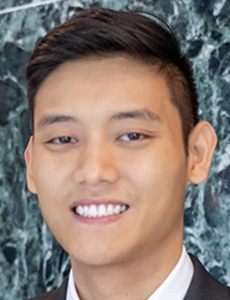
Tommy Wu
27
Aon,Utilities

Jake Abrahams
28
Marsh Risk, Finance
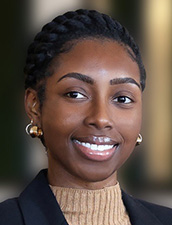
Nneka Akukwe
28
Marsh Risk, Transportation
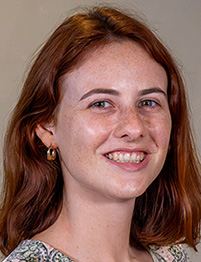
Helena Beliveau
28
Marsh Risk, At Large
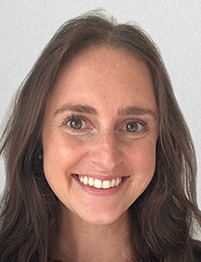
Katie Corrigan
28
Aon, At Large
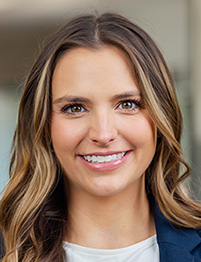
Hannah Hodges
28
Gallagher, At Large
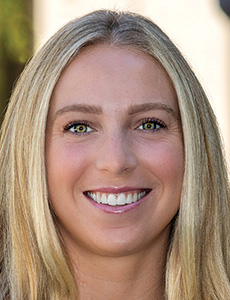
Zoe Shaw
28
MMA, Educa/Nonprofit

Wesley Ward
28
Marsh Risk, Enviro

Patrick Ergastolo
29
Gallagher, Cyber
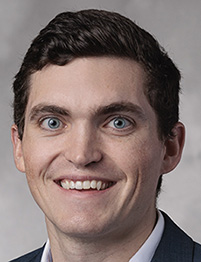
Matt Ganley
29
The Baldwin Group, Tech

Alec Grollman
29
Gallagher, Educa/Nonprofit
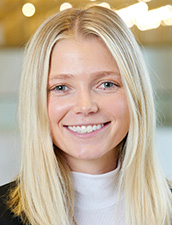
Grace Norgaard
29
Aon, Cyber

Michael Conlon
30, Franklin Street Insurance Services, Real Estate
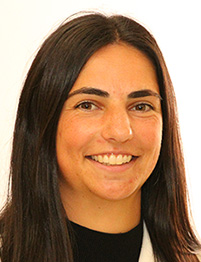
Summer Graziano
30
Aon, Marine

Courtney Guerette
30
Marsh Risk, Finance

Ned Kaufman
30
WTW, Consumer Products
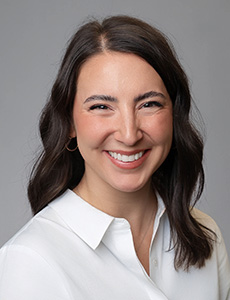
Mary Helen Lagarde
30
CAC, Construction
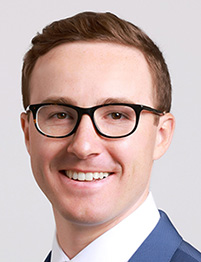
Michael Mannix
30
Marsh Risk, Health Care
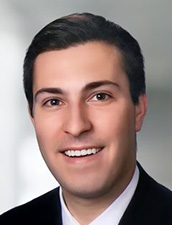
Peter McKeever
30
Marsh Risk, Cyber
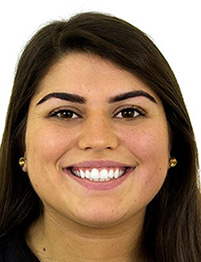
Rachael Narjarian
30
Aon, At Large
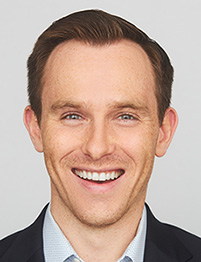
Kevin O’Donnell
30
Marsh Risk, Utilities
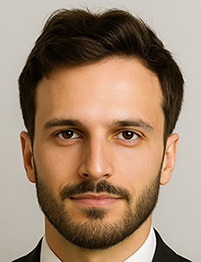
Carl Sauerman
30
Brown & Brown, Private Client
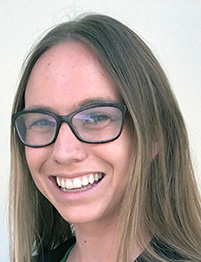
Sierra Zwarg
30
Marsh Risk, Cyber
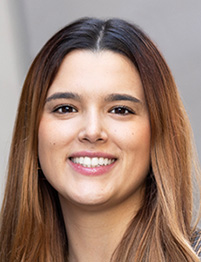
Rafaela Bustamante
31 Marsh Risk, Transportation
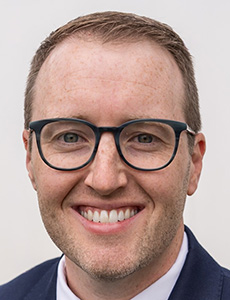
Tim Ellis
31
Aon, Health Care
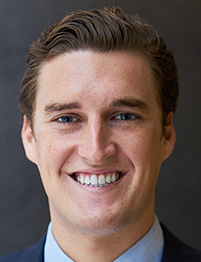
Grant Dethlefsen
31
Aon, Cyber

Corinne Dougherty
31
Marsh Risk, Enviro
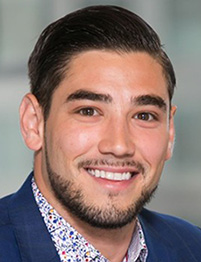
Paul Dragos
31
Marsh Risk, Specialty

Jake Gussin
31
Marsh Risk, Consumer Products

Griffin O’Donnell
31
MMA, Private Client
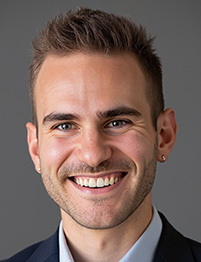
Abel Richards
31
WTW, International
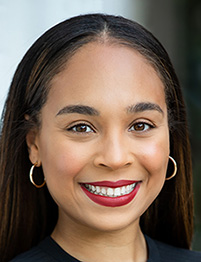
Cecelia Rogers
31
Marsh Risk, Health Care

James Shanahan
31
Marsh Risk, Enviro
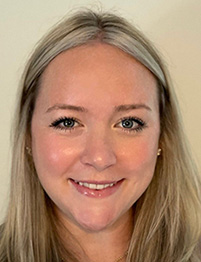
Mollie Smith
31
Aon, Fine Arts

Sean Walsh
31
Aon, M&A
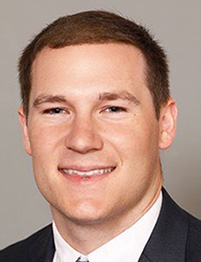
JP Whelan
31
Marsh Risk, Enviro
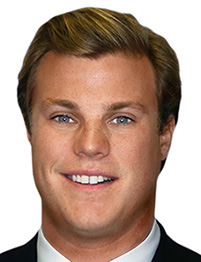
Joe Bloomstine
32
HUB International, Manufacturing

Brandon Debar
32
Gallagher, Employee Benefits

Alexis Elman
32
Aon, Health Care
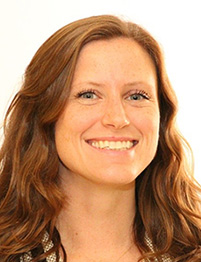
Maggie Jacobsen
32
Aon, Marine
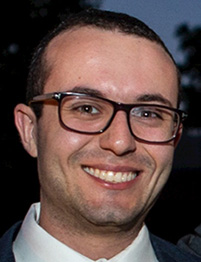
Shawn Lefkowitz
32
Aon, Real Estate
Greg Sparacio
32
Aon, Cyber

Tanner Strum
32
Marsh Risk, At Large
Peter Tallerico
32
Gallagher, Real Estate
Lee Terwilliger
32
Aon, Marine
Josh Emmett
33
CAC, Specialty
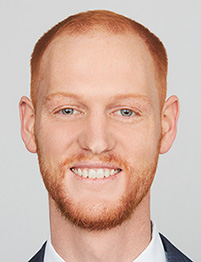
Patrick Keenan
33
Marsh Risk, Marine

Frederik Kjaergaard-Higgins
33, Marsh Risk, Renew Energy

Tim Leck
33
Aon, Real Estate

Elizabeth Leto
33
WTW, International
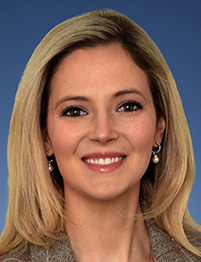
Meredith Milley
33
IMA Financial Group, M&A
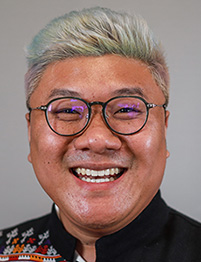
Michael Saechao
33
Newfront, Employee Benefits

Sam Smith
33
Aon, Life Sciences
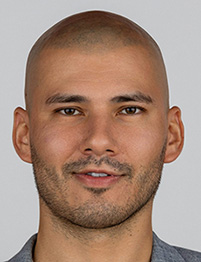
Byron Stufken
33
Marsh Risk, Entertain/Gaming
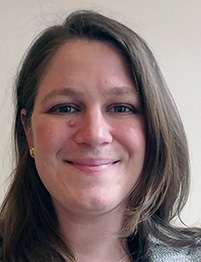
Mary Carr
34
Marsh Risk, International
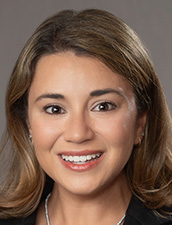
Courtney Cassidy
34
CAC, Trad Energy

Cody Cutter
34
Aon, Construction

Jenna Denton
34
Aon, Construction

Suzette Fernandes
34
Marsh Risk, Construction
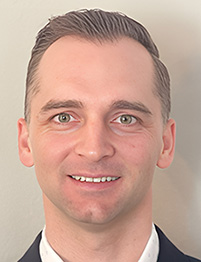
Josh Hurst
34
MMA, Employee Benefits
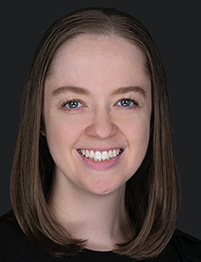
Ashley Kempa
34
Gallagher, Employee Benefits
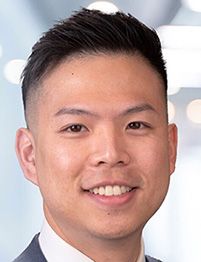
Jerald Khoo
34
Aon, M&A

Jack Meikle
34
CAC, Trad Energy

Sherece Pitters
34
Marsh Risk, Cyber
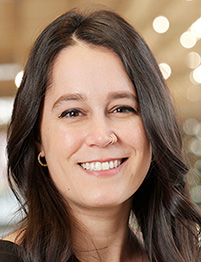
Claire Virden
34
Aon, Utilities
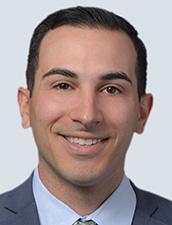
Anthony Cirillo
35, Conner Strong & Buckelew, Educa/Nonprofit
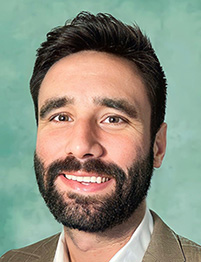
Max DeJuilio
35
WTW, International
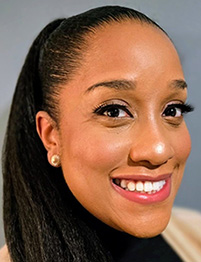
Erika Johnson,
35
Marsh Risk, Real Estate
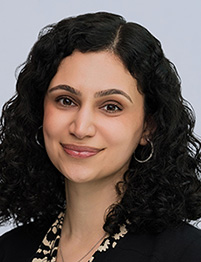
Susanna Nektalova
35
Marsh Risk, Finance

Jack Stearns
35
WTW, Environ
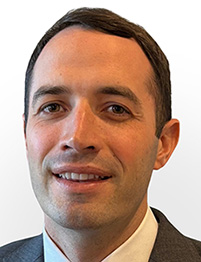
Marshall Yacoe
35
Alliant, Enviro

Gregory Waltz
35
AssuredPartners, Real Estate

Eduardo Benatuil
36
WTW, Transportation
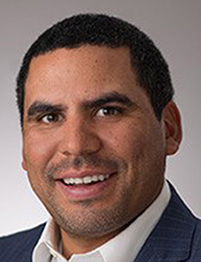
William Coleman
36
Aon, M&A
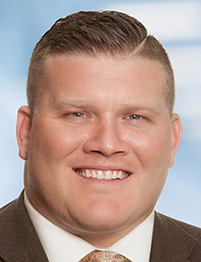
Chris Delia
36
Aon, Enviro
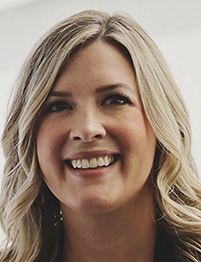
Lauren Fabbri
36
MMA, Employee Benefits
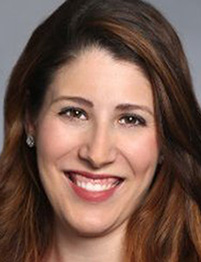
Samantha Manfredini Look
36
Aon, Specialty
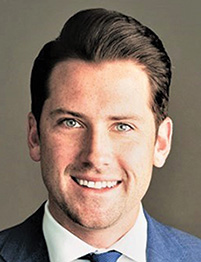
Kyle O’Neill
36, Starkweather & Shepley Insurance Brokerage, Private Client
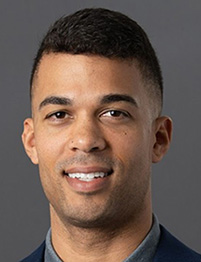
Jonathan Wheat
36
EPIC, Real Estate
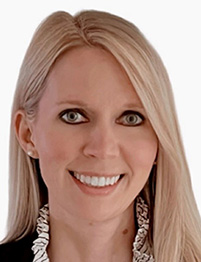
Elise Coutre
37
Aon, Private Client
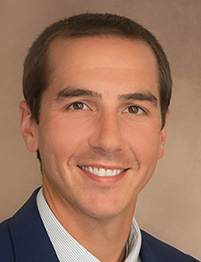
Joshua Daly
37
Gallagher, Public Sector
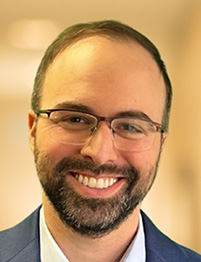
Matthew Epstein
37
The Baldwin Group, Tech
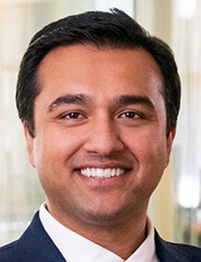
Prabal Lakhanpal
37
Spring Consulting Group, Captives
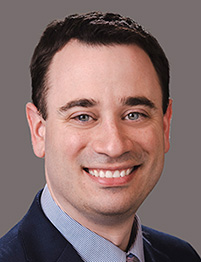
Corey Lewis
37
Aon, Renew Energy
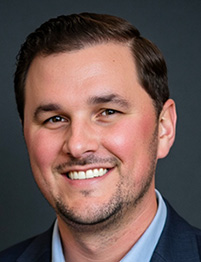
Corey Tobin
37, Symphony Risk Solutions, Consumer Products
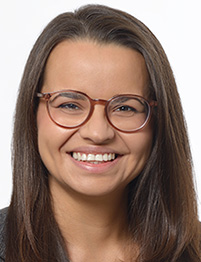
Olga Vogt
37
Marsh Risk, Trad Energy
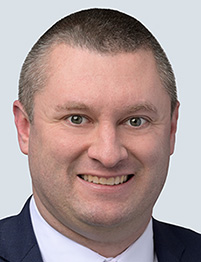
Matt Walsh
37, Conner Strong & Buckelew, Workers’ Comp
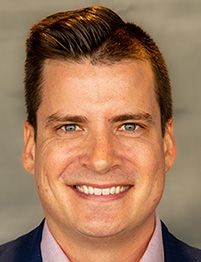
Gavin Ashworth
38
Marsh Risk, Health Care
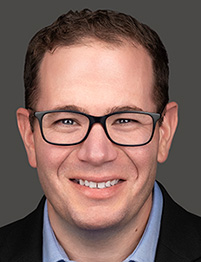
Michael Davis
38
MMA, Private Client
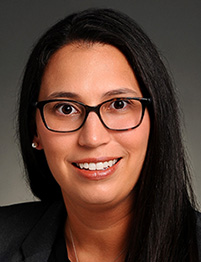
Kimberly Golafshan
38
Aon, Utilities

Adam Muenster, CRIS
38, HUB International, Construction
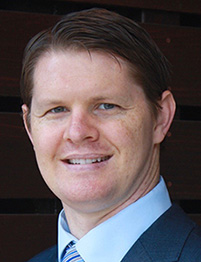
Kyle Powell
38
Aon, Public Sector
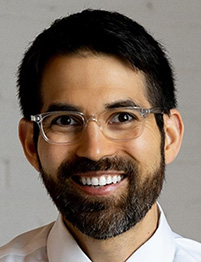
Sam Tashima
38
Aon, Captives

Emily Beach
39
Marsh Risk, Consumer Products
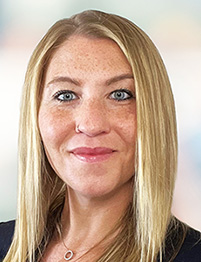
Sophie Bird
39
IMA Financial Group, Real Estate
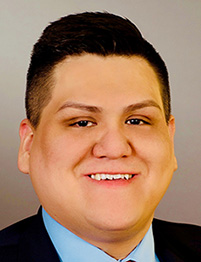
Temo Garcia
39
Aon, Public Sector
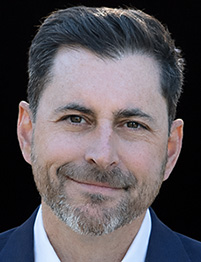
Joe Giaquinto
39
Lockton, M&A
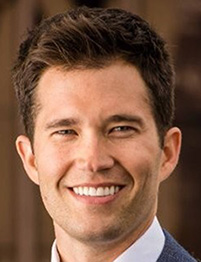
Sam Haslam
39
IMA Financial Group, At Large
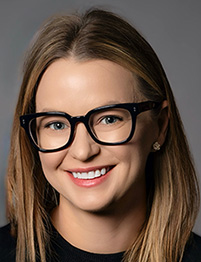
Sarah Palmer
39
Gallagher, Life Sciences
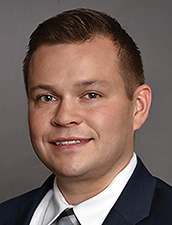
Phillip Rehg
39
HUB International, Private Client

Emily Schaffer
39
Brown & Brown, Fine Arts

Yan Veytsman
39 Marsh Risk, Renew Energy
Andrew Weiss
39
Woodruff Sawyer, Tech
Sara Whiteway
39
Marsh Risk, Enviro