 Newsletters
 Risk Central
 Digital Edition
Social Inflation Piles Added Pressure on Commercial Auto and Liability Results
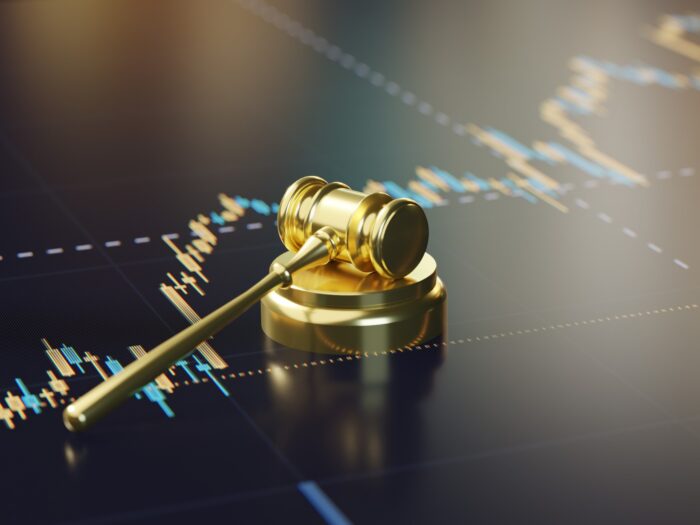
Social inflation is intensifying pressure on property & casualty liability results, with commercial auto liability claim severity rising far faster than general economic inflation over the past decade, according to AM Best.
The rating agency found that while economic inflation averaged 2.8% annually from 2014 to 2024, commercial auto liability insurance loss payments at the 12-month development mark climbed 6.4% annually over the same period, a gap that compounds into an 85% total increase in severity vs. an expected 30% rise under economic inflation alone. AM Best said the trend is even steeper for the more recent 2020-2024 period, with severity increases exceeding 10% annually at the 24- and 36-month development points.
AM Best defines social inflation as the rising cost of insurance claims that exceeds general economic inflation, driven by societal and legal trends such as higher jury awards, increased litigation, and expanded definitions of liability.
“Legal system abuse comes in several forms and can have a severe impact on insurers’ results, particularly in liability lines of coverage,” said Christopher Graham, senior industry analyst, AM Best.
Claims Staying Open Longer Mask True Loss Costs
AM Best found that increased attorney involvement, including in claims that initially appear minor, is keeping claims open longer than in the past, which is distorting reported paid-loss figures. Claims closure rates have slowed at every point of development over the past 10 years, the report said, with the share of claims closed with payment declining steadily.
Using 2014 closure rates to normalize current reported claims, AM Best estimated a $16 billion shortfall in paid losses across the past 10 accident years, a gap it said is mostly explained by the change in claims closure rates. As these claims eventually close, AM Best said, the gap between paid and incurred losses will narrow. Separately, after adjusting for settlement rates, commercial auto claim frequency has actually increased over the past decade, AM Best said, adding further uncertainty to reserve estimates.
Spillover Into Umbrella, General Liability and Personal Auto
The effects of social inflation extend beyond commercial auto into umbrella and general liability coverage, AM Best found. Through 2018, umbrella pricing tracked closely with general liability pricing, but the two diverged as social inflation-driven commercial auto claims began spilling into umbrella layers, pushing umbrella pricing higher and keeping it elevated, according to the report.
AM Best said this pattern signals that insurers recognize so-called nuclear verdicts in auto, general liability, and products liability claims are breaching into umbrella coverage, complicating pricing because of uncertainty over both claim severity and claim counts. Excess reinsurance faces similar challenges, the report said, as underlying liability claims creep into excess layers amid greater involvement by attorneys and third-party litigation funders.
AM Best also found that private passenger auto liability severity has grown at a double-digit annual rate since accident year 2019, far outpacing economic inflation. The cost of motor vehicle insurance has risen much faster than other auto-related costs, AM Best said, and the difference between insurance costs and physical damage costs reflects the cost of liability insurance, which is driven by social inflation.
Florida Tort Reforms Show Early Signs of Success
Legal and tort reforms represent one potential check on social inflation, AM Best said, pointing to Florida’s 2023 package of tort reform legislation as initial evidence. Aggregating Schedule P loss data from companies concentrated in Florida, AM Best found that severity increases halted when the reforms passed and then declined in accident year 2024 once the reforms took full effect.
Claim severity was roughly flat, up just 1%, in initial 2025 observations, below the rate of economic inflation, according to the report. Because Florida accounts for more than 10% of private passenger auto liability nationally, AM Best said the benefits will extend to national insurers with a significant Florida presence. The report noted the effect will likely be more muted for commercial auto liability, since plaintiffs have greater ability to pursue venue shopping and move cases out of Florida.
Obtain the full report here. &