 Newsletters
 Risk Central
 Digital Edition
Siloed Fleet Decisions Are Quietly Driving Up Trucking Costs, Alliant Says
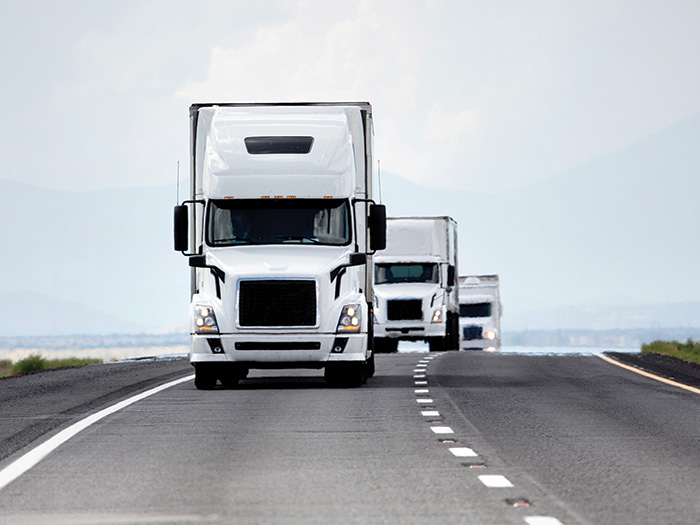
Fleet operators often don’t see the full financial impact of hiring, training, maintenance and policy decisions until after a crash forces a closer look. But according to Alliant, the costs tied to those everyday decisions accumulate long before any collision occurs, and addressing them separately rather than holistically can obscure the true drivers of risk and expense.
Citing the American Transportation Research Institute’s 2026 Analysis of the Operational Costs of Trucking, Alliant reported that the average marginal cost to operate a truck reached a record $2.336 per mile in 2025. Within that figure, repair and maintenance costs jumped 8.6% last year, combined driver wages and benefits exceeded $1 per mile for the first time, and liability and cargo insurance premiums rose 3.9% despite lower heavy-truck crash rates.
Alliant attributed the insurance increases largely to higher litigation payouts, retained risk and total cost of risk (TCOR).
When Operational Problems Masquerade as Driver Problems
Alliant described a scenario in which a fleet sees repeated speeding, preventable claims and higher driver turnover concentrated on the same routes. By comparing telematics, claims and operational data, Alliant said, leadership may find the issue is not limited to individual drivers but tied instead to route pressure and scheduling.
That kind of insight, according to Alliant, gives a company both a starting point and a way to measure whether subsequent changes are working. Connecting these operational insights through what Alliant called a “holistic, predictive operations approach” can provide a broader perspective for improving safety and financial outcomes simultaneously, rather than treating each as a separate problem to solve.
From Reactive Cost Control to Predictive Operations
Alliant outlined three areas fleets can focus on to shift from reacting to losses toward identifying patterns earlier.
The first involves using data fleets already generate through dispatch and routing systems, telematics, cameras, maintenance records and claims, to isolate factors such as which driver behaviors most frequently contribute to risk, which routes see more speeding events or claims, which drivers require repeated coaching, how detention affects driver productivity and turnover, and which maintenance problems create excess downtime.
Alliant noted that incremental improvements in preventable downtime, empty miles or driver productivity, multiplied across hundreds or thousands of trucks, can contribute to improved operating income and EBITDA. Rather than addressing every metric at once, Alliant said selecting one or two priorities, such as speeding or onboarding effectiveness, creates a baseline for measuring return on any changes made to training, policy or operations.
The second area centers on telematics data. Repeated speeding alerts might initially look like a driver-level issue, but Alliant said combining that information with route, dispatch, training and claims data can reveal whether certain routes or delivery pressures are involved.
Once leadership identifies patterns such as repeated speeding or harsh braking, Alliant said accountability expands beyond the driver to include the company’s response, including monitoring, coaching, documenting corrective action and verifying improvement. That same integrated view matters after a collision occurs, according to Alliant, since camera footage alone may not capture the broader context available across electronic logging device records, telematics, dispatch communications, maintenance history and route information.
The third area involves the role of the transportation insurance broker, which Alliant said should extend beyond placing insurance coverage to serving as a strategic partner that helps contextualize operational risk factors, benchmark performance against peers, and bring together safety, claims, legal and insurance perspectives. Alliant said brokers can also help fleet leadership evaluate the potential return on investments such as cameras, telematics or training, and determine how to measure resulting outcomes.
Read the full analysis here. &