Newsletters
 Risk Central
 Digital Edition
Home Health and Skilled Nursing Facility Costs Surge for Serious Workers’ Compensation Claims
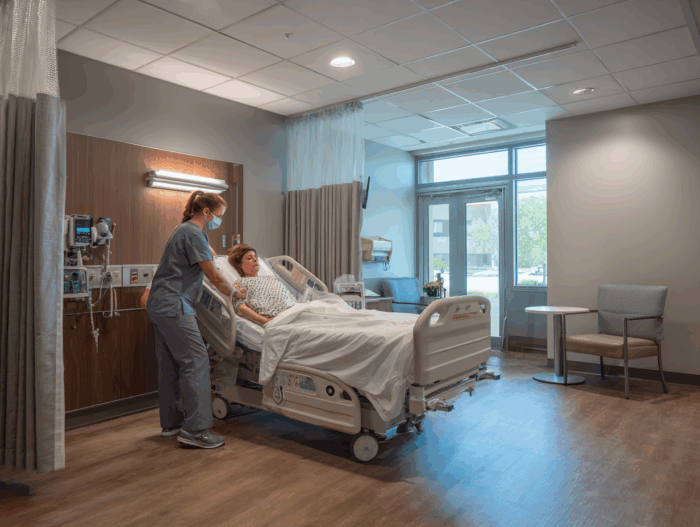
Workers’ compensation costs for home health services and skilled nursing facilities have grown substantially over the past decade, reaching levels that far outpace standard inflation measures, particularly for the most catastrophic injuries requiring extended care, according to a National Council on Compensation Insurance analysis.
The financial impact of home health and skilled nursing services varies dramatically depending on claim severity, the research found.
For claims with incurred costs between $250,000 and $500,000 within the first year after injury, these services combined account for just 3.1% of total medical costs. However, for claims exceeding $1 million, the combined share balloons to more than 25% of medical expenditures, with home health representing 20.1% and skilled nursing comprising 5.3%.
This disparity reflects the nature of injuries driving the highest costs, the report said. Spinal cord and traumatic brain injuries account for approximately 60% of home health and skilled nursing payments at five years post-injury. Patients with these conditions typically require intensive, long-term support, including nursing care that can span eight to 12 hours daily to address sensory, motor and autonomic function impairments.
The financial burden of these services extends well beyond the initial recovery period. Data shows that home health services’ share of total medical costs climbs to 9.4% by 10 years post-injury and reaches approximately 12% by the 30-year mark, indicating that seriously injured workers generate sustained demand for these services throughout their recovery journey.
Cost Growth Outpacing Inflation
The average cost per claim for home health services has grown to $14,200 in 2024, compared to $9,000 in 2015, representing a 5% annual growth rate. Skilled nursing facility costs have surged more dramatically, climbing to $33,200 in 2024 from $14,700 in 2015, with a 10.9% annual growth rate since 2020.
These increases significantly exceed the U.S. Bureau of Labor Statistics’ Producer Price Index for related services. While home health cost growth has moderated to align with inflation measures in recent years, skilled nursing facility expenses continue to outpace the PPI by a wide margin. Potential drivers for this acceleration include rising service prices, increased utilization rates or a shift toward more serious claims requiring intensive interventions, the report said.
Geographic variations in service delivery and pricing further complicate the cost picture. Home health reimbursement rates for certified nurse assistants range from $16 to more than $50 per hour across states, while registered nurses command rates spanning from $57 to over $200 per hour. These disparities reflect differences in staffing models, fee schedule structures and regional supply-and-demand dynamics for nursing professionals.
Staffing Pressures and Fee Schedule Challenges
The health care industry faces significant workforce constraints that directly impact workers’ compensation costs, according to the NCCI analysis. The Health Resources and Services Administration projects that by 2030, the demand for registered nurses will exceed supply by approximately 64,000, while licensed practical nurses will face a shortfall exceeding 85,000 positions.
The effectiveness of fee schedules designed to control costs varies considerably. In states with established home health fee schedules, more than half of transactions exceed the scheduled maximum hourly rates. Colorado demonstrates the highest compliance, with 94% of transactions paid at or below fee schedule amounts, while Utah shows minimal compliance at just 3%.
The primary drivers of home health spending reflect the labor-intensive nature of care delivery. Certified nurse assistants account for nearly 40% of home health payments, licensed practical nurses represent 15%, and registered nurses comprise 10%, with these three categories collectively representing 65% of all home health expenditures.
In skilled nursing facilities, institutional overhead dominates billing, with room and board charges accounting for 65% of total payments.
Obtain the full report here. &