Newsletters
 Risk Central
 Digital Edition
High-Profile Aviation Incidents in 2025 Mask a Steady Safety Record
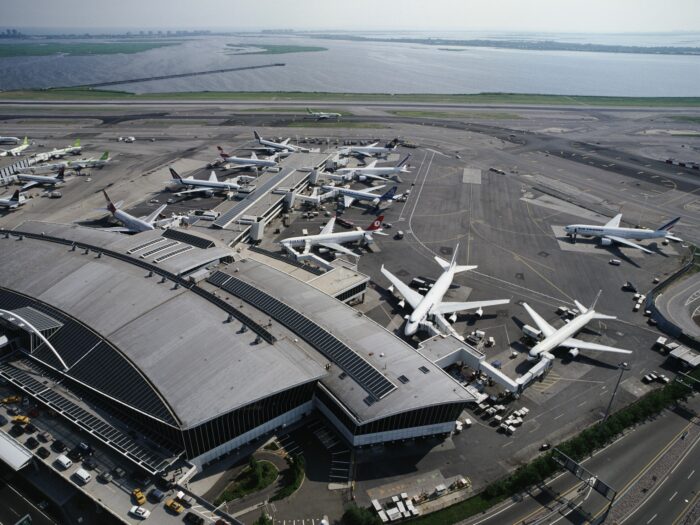
Despite several high-profile airline incidents in 2025, including one of the deadliest commercial aviation accidents in U.S. airspace since 2001, airline insurance claims have remained near long-term historical averages, according to a year-end review by WTW.
The disconnect between dramatic headlines and steady claims activity reveals an industry that has successfully returned to pre-pandemic activity levels while managing complex, evolving risks. The January 2025 American Airlines collision near Washington, D.C., the Air Busan fire caused by a passenger’s power bank, and cargo operations in conflict zones captured media attention throughout the year. Yet the overall picture tells a more nuanced story about aviation’s safety trajectory, according to WTW.
Recovering Growth Meets Operational Headwinds
The airline sector has experienced a robust recovery from COVID-19 disruptions. Passenger numbers and cargo volumes surged in 2024 and continued climbing throughout 2025, the report said. Falling fuel prices and rising load factors have strengthened financial health across much of the industry, helping airlines reduce debt levels.
However, this growth is occurring against a backdrop of meaningful operational constraints, the WTW review said. Pandemic-era supply chain disruptions persist, particularly a lengthy waiting list for new aircraft deliveries. Older planes require more extensive maintenance and prove more expensive to operate. When older aircraft are involved in incidents, they are more likely to be deemed beyond economical repair.
This challenge intersects with a critical skills shortage among aviation maintenance, repair and overhaul (MRO) organizations and extended lead times for obtaining spare parts. Together, these factors create a difficult operating environment across every level of the airline industry.
The combination of staffing pressures, parts availability, and aircraft delivery delays compounds an already complex risk landscape that includes cyber-attacks, drone activity, and geopolitical tensions, WTW said.
The Rising Cost of Smaller Claims
Claims expenses have climbed substantially in recent years, driven largely by factors beyond traditional economic inflation, the report noted. While economic inflation averaged 3.7% annually between 2017 and 2022, payouts awarded in liability claims—or “social inflation”—grew at 5.4% annually during the same period, according to 2024 analysis by Swiss Re covering the entire U.S. economy.
Additionally, psychological harm claims have become more common and complex to quantify than traditional physical injury compensation. This nebulous category has made claims awards difficult to estimate and complicated settlement processes.
Perhaps most significantly, aviation has seen rising numbers of “nuclear judgements”—jury awards exceeding $10 million—which tend to establish benchmarks for future claim negotiations and risk creating an upward spiral in social inflation expectations.
Beyond social inflation, WTW noted that another factor driving up claims expenses is that modern composite aircraft hulls cost more to repair than aluminum frames from a decade ago, and the waiting list for replacement parts extends timelines and drives up expenses. Airlines also lose revenue while grounded aircraft undergo repairs.
Artificial Intelligence: Solution or New Risk?
As a highly regulated industry operating in a high-risk environment, aviation depends on impeccably trained personnel. The staffing shortage for critical roles such as pilots, cabin crew, and MRO specialists has been exacerbated by early retirements and career changes prompted by the pandemic, WTW said.
- Artificial intelligence offers an enticing possibility for addressing these gaps, yet it presents two significant challenges:
First, AI is likely to reduce administrative staffing needs rather than addressing the shortage of highly trained operational personnel that require years of specialized education. - Second, increased reliance on AI systems heightens vulnerability to cyber-attacks. When cyber incidents occur, airlines and airports often must revert to paper-based processes during recovery. If administrative staffing has been drastically cut, recovery operations become more difficult, potentially extending disruptions and increasing cyber and business interruption claims.
View the full review here. &