Newsletters
 Risk Central
 Digital Edition
Frontline Workers See MSD Prevention Tech as Beneficial, but Participation in Adoption Is Key
Musculoskeletal disorders remain among the most prevalent and costly workplace injuries, with U.S. organizations losing $1 billion per week to MSDs and other workplace injuries, yet frontline workers who have used emerging prevention technologies largely view them as helpful, according to a report by the National Safety Council.
Seventy percent of surveyed workers reported experiencing MSD-related signs or symptoms in their current roles, and 64% of those had missed work as a result, according to a survey from the NSC’s MSD Solutions Lab. All respondents had direct experience using at least one MSD prevention technology — such as wearable sensors, computer vision, exoskeletons, robots or collaborative robots, extended reality, or digital twins — in their current positions.
Among workers who experienced MSD sign and symptoms, the back was the most frequently affected body region at 63%, followed by wrists and hands at 39%, knees at 38%, and shoulders at 34%. Workers who reported symptoms in their legs or feet had significantly higher odds — 1.9 and 1.8 times, respectively — of having missed work due to MSDs compared to those with symptoms in other areas, according to the report.
Physical Assistance Technologies Perceived as Most Effective
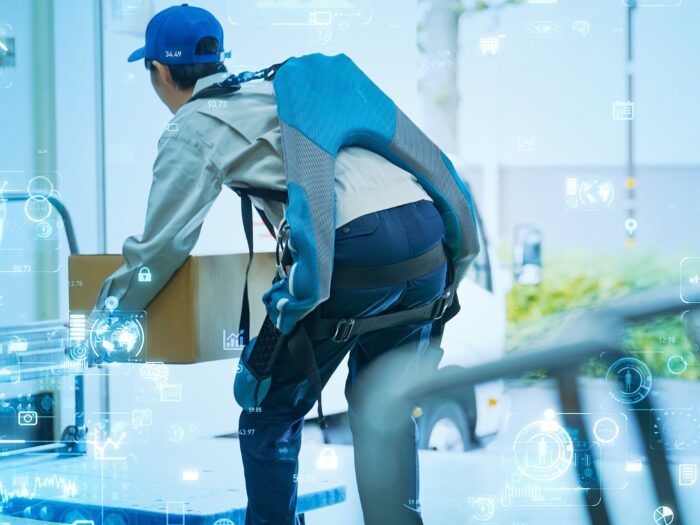
Technologies that directly reduce physical workload delivered the strongest perceived benefits. Exoskeletons and robots or cobots were most consistently viewed as decreasing MSD signs and symptoms, with 54% of exoskeleton users and 56% of robot and cobot users reporting symptom reduction, the report found.
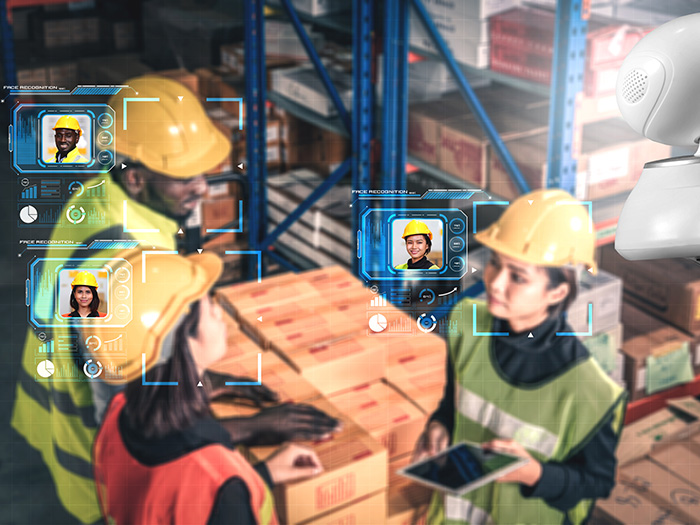
By contrast, wearable sensors and computer vision systems — the two most commonly used technologies in the sample — were more often perceived as having no direct impact on MSD symptoms, the NSC study found. Instead, these monitoring-oriented tools were valued for increasing awareness of ergonomic risk factors (91%) and improving posture (84%) among users, who agreed the tools helped make them more aware of risks such as forceful exertions, repetitive motions, and awkward postures.
Mental Stress and Job Satisfaction Also in Play
The findings suggest MSD prevention technologies function not only as physical interventions but also as psychosocial ones. Across all technology types, 75% of respondents said the technology improved their job satisfaction, 51% reported decreased mental stress, and 39% said mental stress was unchanged. Only 11% reported that technology increased their mental stress, the report said.
Extended reality technologies showed a particularly strong association with reduced mental stress, with 62% of users reporting a decrease. Workers described benefits related to training, task understanding, and confidence in performing physically demanding work. However, a small subset of respondents across technology types raised concerns about machine malfunctions, increased pace expectations, potential job replacement, and the cognitive burden of learning new systems.
Privacy and surveillance concerns also emerged. About 46% of respondents expressed concern about data privacy when using workplace technologies, and 43% had concerns about technology or artificial intelligence influencing their work activities, the NSC found. Workers with higher education levels tended to report slightly greater concern on both fronts.
Worker Involvement Shapes Technology’s Success
Perhaps the most actionable finding for safety professionals is the strong link between participatory implementation and positive outcomes, the NSC said. Workers who felt comfortable speaking up, suggesting improvements, and participating in decisions about technology consistently reported better perceptions of the tools’ effectiveness, the report said.
Participatory factors were moderately correlated with agreement that technology reduces injury concern, increases ergonomic awareness, and improves posture at work. These same factors were associated with lower perceived mental stress and higher job satisfaction. Notably, women perceived themselves as less involved in technology-related decision-making than men: 47% of women agreed they were involved compared to 58% of men.
The report recommended that employers match technology to specific goals, treat safety technology as a potential psychosocial intervention, build trust by positioning tools as worker benefits rather than surveillance mechanisms, and embed worker participation as a core principle of technology adoption.
Obtain the full report here. &