Newsletters
 Risk Central
 Digital Edition
Defining ‘Extraordinary:’ NY State Law Triggers Nationwide Changes to Mental Health Claims

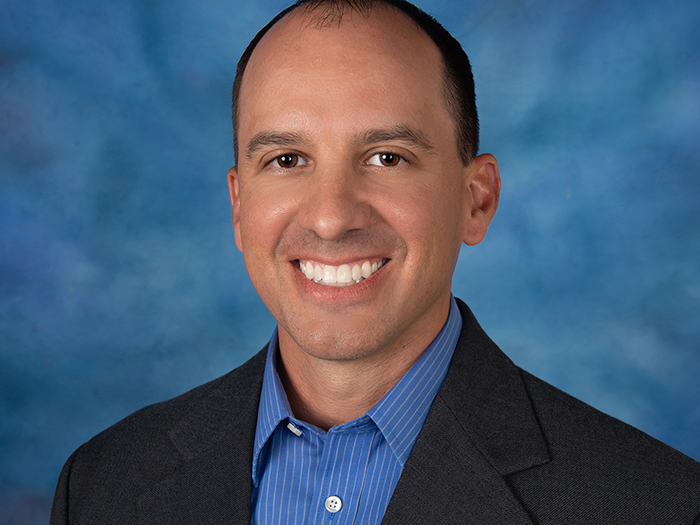
Sarah Thomas is managing partner at Jones Jones LLC, where she leads the firm through the evolving technicalities of workers’ compensation and insurance defense law. She can be reached at 212.776.1808 or https://jonesjonesllc.com.
The mental health crisis that gained attention during the COVID-19 pandemic hasn’t subsided, and its effects are being felt in the workplace across a multitude of industries. In 2025, one in four employees considered quitting their job due to mental health concerns, according to a workplace poll conducted by the National Alliance on Mental Illness (NAMI).
State legislatures are responding by expanding the scope of workers’ compensation claims beyond physical injuries. Connecticut enacted a law in January 2024 extending post-traumatic stress disorder (PTSD) benefits to all employees under workers’ compensation—not just first responders—if it can be proven the condition was related to the employee’s job. New York State passed an even broader law in late 2024 and amended it in 2025. And Tennessee, Illinois, Nevada and Texas are considering or enacting extended protections as well.
As legislation evolves, risk managers must keep abreast of current trends and develop strategies to handle the expected increase in claims that could result.
New York State Law Signals a Turning Point
Until December 2024, New York State determined the validity of workers’ compensation mental health claims individually based on how an employee’s workplace stress-related situation compared to their peers. The December 2024 law, which became effective January 1, 2025, ended that determination, allowing workers to file claims for specific types of psychological injuries related to “extraordinary work-related stress.” It also expanded coverage from first responders to all workers.
The vague nature of the word extraordinary caused initial confusion. A February 2025 amendment brought some clarity, adding the mental health disorder must be attributable to a distinct work-related event or events.
Definitions of extraordinary and distinct event will continue to evolve in the coming months as these types of cases begin to wind through the courts. The first test came in November 2025, when a Court of Appeals ruled that mental anguish and PTSD experienced by a group of Metropolitan Transportation Authority (MTA) workers and a teacher during the COVID-19 pandemic wasn’t extraordinarily different from those experienced by their co-workers. The decision overturned a prior Appellate Division ruling in favor of the plaintiffs.
Pros and Cons of Expanded Coverage
As more state workers’ compensation boards follow New York’s lead, impacts will ripple across industries. Stress-related claims, once reserved for high-risk groups like emergency medical technicians (EMTs) and firefighters, may not encompass healthcare, education and office workers. For these reasons, we expect the workers’ compensation industry to see a steady influx of new mental health claims over the next three to five years.
Each claim will bring considerable challenges. Because recovery from psychological trauma is more nuanced than recovery from a physical injury, stress-related claims could have a long tail. Successful treatment often requires therapy and medication, including high-cost drugs. And, therapeutic timelines could extend for several years. It will take time for risk managers to understand the implications of these challenges and develop outside-the-box solutions to address them.
While the expected rise in claims will create more risk—and likely increase premiums—it may also lead to positive developments, including reducing the stigma around behavioral health conditions. Forty-two percent of workers in the NAMI poll said they worried their career would be negatively impacted if they talked about mental health concerns in the workplace. The changes in workers’ compensation laws will hopefully open the door to more transparent conversations about supporting employees with psychological concerns.
How to Support Employees While Reducing Cost
Given the fluctuating nature of workers’ compensation legislation, risk managers should begin developing a game plan now to better support employees with stress-related conditions. These six steps should be an essential part of any proactive plan.
Show empathy. Train managers to reassure employees they are open and receptive to conversations about workplace stress. Leaders should let team members know they understand their concerns and that asking for help is essential.
Build awareness. Research shows implementing mental health awareness training can help managers create safe spaces for open dialogue. Such programs should emphasize that every person’s psychological well-being is unique and related to their specific life circumstances.
Identify key workplace concerns. An early intervention program can help find and address specific psychological stressors before they escalate into a claim. Emerging artificial intelligence (AI) tools give risk managers the ability to analyze the specific sources of stress related complaints—such as whether they stem from a single department or a specific type of work—and then create targeted plans to alleviate those stressors.
Provide access to coping and resiliency resources. Employee Assistance Programs (EAPs) that offer free counseling and support for employees are a must-have, especially in workplaces and industries with high burnout rates. Providing leave-of-absence benefits for mental health conditions can also give workers peace of mind that an employer puts their psychological well-being first.
Redefine return-to-work (RTW) programs. Studies show RTW programs help workers feel better emotionally after recovering from a physical injury by reuniting them with their friends and co-workers. But for people recovering from PTSD and similar conditions, an early return-to-work could create a setback in treatment. Risk managers should adjust their RTW programs accordingly to accommodate for this reality.
Prepare for potentially extraordinary events. The best way to avoid workplace violence, PTSD, and other work-related mental health conditions is to get ahead of them before they become a problem. Risk managers should start by developing clear policies for responding to escalating threats in the workplace, whether they come from other employees or customers.
Treat Mental and Physical Health as Equals
A worker’s mental health is just as important as their physical health. But when it comes to workers’ compensation, a one-size-fits-all approach won’t work. Risk managers who start designing programs specific to reducing stress-related injuries now will protect their workers’ physical and mental well-being and stem the potential tide of rising and costly claims. &