Newsletters
 Risk Central
 Digital Edition
CEO Diane Delaney on PRMA Summit and Organization Growth Opportunities

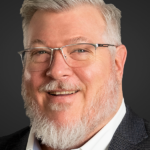
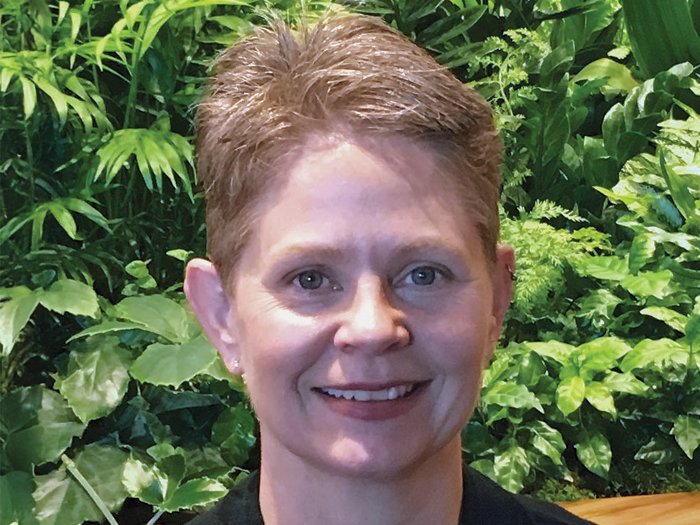
In October, Dan Reynolds, the editor in chief of Risk & Insurance, attended the Private Risk Management Association annual Summit in New Orleans. Soon after, he caught up with Diane Delaney, the CEO & executive director of PRMA, to get her take on the New Orleans event and related matters. What follows is a transcript of that discussion, edited for length and clarity.
Risk & Insurance: Diane, the New Orleans event was impressive, with lots of energy and attendees. What are some current membership numbers and growth trends for the association?
Diane Delaney: Both our summit attendance and membership have grown tremendously, and obviously, those two go hand in hand. When we look at the summit alone over the last five years, we’ve seen a growth of about 175%. In 2021, we had just a little over 300 people attending the summit, and at this 2025 conference, we had just under 900.
The membership has shown similar growth, nearly doubling over the same period. Back in 2021, we had just over 3,000 members, and today we have about 6,222.
The challenge in front of us is determining how to scale the summit appropriately. After reaching 800 registrants this year, we moved to a waitlist to manage capacity. Without that step, the Summit could have easily approached a thousand attendees. The level of interest this year exceeded all expectations.
We’re already working on how to grow the summit so that as our membership grows, our members can take advantage of the largest high-net-worth conference we offer throughout the year.
R&I: What factors would you say are driving the growth of the PRMA?
DD: Well-run associations thrive during times of disruption, and the insurance industry has experienced tremendous disruption over the past several years. PRMA’s educational offerings and collaborative environment became essential resources for professionals who, despite thirty-plus years of experience, had never encountered markets like these. The association became a source of hope for the industry.
The underlying message was “we will be better if we’re in this together,” which resonated strongly as markets began to shift dramatically. PRMA responded to these changes at exactly the right time, with the previous executive director, Lisa Lindsay, recognizing the moment to transition leadership to someone with extensive broker training experience.
All these elements came together perfectly—the market disruption, the educational resources, the collaborative environment, and the leadership transition—allowing the association to open its doors wider to members who responded enthusiastically.
R&I: Has the organization set specific goals in terms of growth and other key metrics?
DD: We want to keep growing in a healthy, sustainable way. We’ve done extensive strategic planning as a 20-person board, focusing on the next three years and our strategic direction. We have three core goals for the association, which are also personal goals of mine.
The first is building a foundation for growth by creating a sustainable organization. When I came into this role in 2022, I had the same number of staff members that I have today, which is unrealistic as we continue to grow. We need more industry thought leadership and individuals, so I’m already putting together job descriptions to bring on two new staff members going into 2026.
The second goal is education, which has to be central to everything we do since we’re an education-based organization. We want to enhance our educational offerings so they’re relevant to all members throughout different stages of their careers. We’re going to develop learning tracks based on experience levels: if you’re new to insurance and new to high net worth, you need one set of resources; if you’re not new to insurance but new to high net worth, you need something else; and if you’ve been doing this for ten-plus years, you need advanced content.
We’re exploring multiple platforms to enhance our education, including AI sales tools to provide an AI sales coach. We want to offer various components relevant to industry developments, enabling companies like Marsh to say, “We just hired staff members and will teach them the Marsh way, but let’s also leverage what PRMA is doing.”
R&I: What specific agenda items or highlights are planned for the upcoming event?
DD: It’s not too early to discuss our plans. Our team has been motivated to analyze the surveys that attendees completed to understand what they want and need more of. We’ve examined feedback from the last three years, not just the 2025 survey, and one topic stands out clearly: AI and the impact of technology on the industry. The membership wants more coverage of this broad topic.
We’re going to conduct a deeper dive to understand specifically what the membership wants when they say “more.” How will AI hurt us? How will it help us? How are we leveraging it? This has to be a major part of 2026 because they’ve been requesting it for three years, and we haven’t brought it forward as a core topic.
The other exploration involves the summit’s growth. While growth has its benefits, we want to balance it with the ability for meaningful interaction. This year’s panels featured speakers talking while attendees listened, but what gets lost is the ability to communicate back and forth with industry thought leaders.
Next year, there will be many more rooms and options to attend, resulting in smaller sessions. There will be a mix of breakouts and workshops on the main day. Some sessions might feature agency leaders discussing industry developments and their successes, while others will focus on educational breakout topics with more built-in time for interaction in smaller rooms, perhaps 120 people instead of 200, giving attendees the chance to interact more with thought leaders.
R&I: What trends are you observing in terms of carrier and brokerage interest and involvement with the organization?
DD: The response has been excellent. This year’s Summit saw a notable shift in attendance, with brokers comprising almost half of our attendees. This represents a significant change from previous years when carriers outnumbered brokers.
We deliberately gear our content to help brokers have more informed conversations with their clients. This is what we want front and center at our summits and membership education programs. However, to be successful in this mission, we need strong carrier participation.
The carriers have been phenomenal in their collaboration, consistently providing industry thought leaders to help develop our educational content. Additionally, we’re seeing many carriers entering the high-net-worth space seeking to provide more solutions and markets. Their involvement in our events and attendance has been substantial.
R&I: What energizes you most about your role at the Private Risk Management Association, both professionally and personally?
DD: I believe I have the best role in the industry because I don’t work for any single carrier or broker — I work for all of them. Our success depends on bringing competitors together in committee meetings throughout the day, where they set aside their company interests for the betterment of the organization.
I regularly experience the unique satisfaction of facilitating this collaboration. I might be on a call with Chubb and Private Client Select discussing how to improve an educational topic, or working with Marsh or Aon and Willis on similar initiatives. This level of cooperation among competitors is truly unique and doesn’t typically happen outside of PRMA to the extent we’re seeing it.
The real satisfaction comes from witnessing everyone come together with a shared purpose. This willingness to sit on committee calls and say “we’re doing this because we all need it” and “we’re better together” is how the organization will continue to grow and thrive. &