Data has become an increasingly valuable tool for risk management and underwriting. That’s why more public entities are looking to harness their data to drive down losses.
Large commercial fleets face a myriad of risks on a daily basis. The best transportation operators are investing in several top practices to better manage risk and reduce the cost of insurance.
As pressures build for the health care industry, alternative methods to provide care are growing, but places like urgent care clinics and home health providers still have their risks.
With current global tensions at an all-time high, businesses are wise to keep an eye on the growing political risk environment and work with insurers to find practical solutions.
Return-to-work programs are proven to reduce workers’ compensation costs, but in order to have a lasting impact, top return-to-work strategies must be in place.
Water damage losses can be costly. Auditors with both contracting and claims adjusting experience help secure good outcomes for insurers and insureds alike.
Medical professional liability is rapidly reaching a tipping point in the long-term care industry. Health care risk managers must adjust to this changing landscape.
Many companies don’t know how their insurance program will handle the complexity of international losses. Multinational organizations need an insurer with true multinational expertise.
Hurricane losses involving water damage have increased in recent years, leading one insurer to invest more fully in innovative technologies geared toward streamlining the claims process for customers.
Vermont is known for its forward-thinking approach to insurance regulation, but two recent initiatives show how the State is taking dedication to innovation a step further.
Pervasive ageism is putting companies in the crosshairs of regulators and fueling high turnover in an already tight labor market. Here’s how employers can build a strong defense against it.
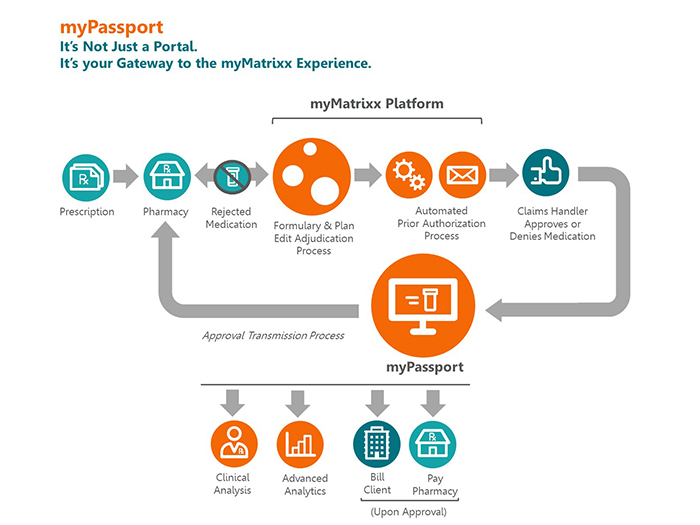
Outdated online tools make a claims representative’s job even harder, but a new and improved PBM portal promises to alleviate the frustration and facilitate faster, more informed decision-making.
Simplifying and humanizing the workers comp process benefits injured workers and employers alike, but many aren’t doing enough to put workers first. Here’s what a true advocacy approach demands.
When employers have a focus on workers’ compensation cost control they may miss out on the optimal benefits of physical therapy, both for their injured workers and the health of their workers’ comp program.