With rising cyber threats, the U.S. cyber insurance market faces hardening conditions in 2024, as KYND Ltd.’s survey reveals increased rates and underwriting standards.
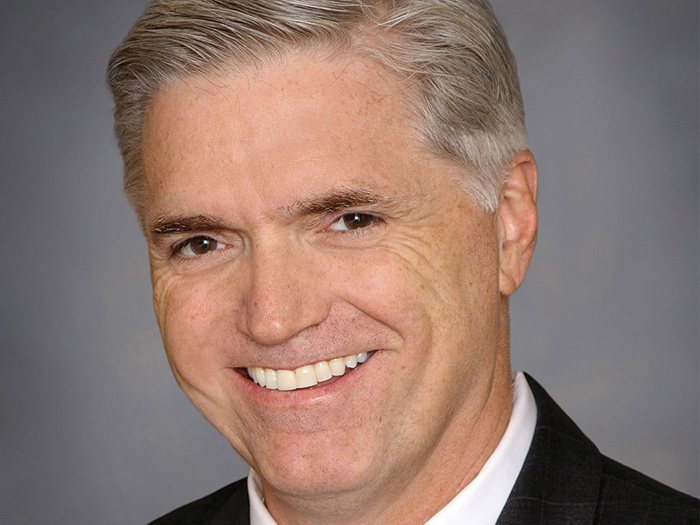
Thirty years ago, single mother Jeanette Ward needed a job. Enter Texas Mutual, where today she fills the role of CEO. Ward reflects on her career in insurance and how to pave a path forward to welcome new recruits to the industry.
Health care facilities are an attractive and vulnerable target for cyberattack. Understanding the cyber landscape and getting the right insurance team in place is just the first step to stopping cybercriminals in their tracks.
Trustpair cofounder Baptiste Collot delves into the evolving landscape of vendor payment fraud, AI’s role in facilitating this crime, and how his company is combating the threat.
Despite a maturing cyber insurance market, Munich Re’s report reveals a significant gap in coverage, with 87% of decision makers feeling inadequately protected against cyberattacks.
COVID was not the only thing that disrupted business travel. Geopolitical instability, climate risks and a new class of bleisure travelers are making corporate travel more complicated.
Where increasingly severe weather meets growing populations, property damage from wind, hail and flood may seem inevitable. Fortunately, there’s much that property risk engineers can do.
Despite challenges related to cost, data quality, and bias, 66% of insurers plan to adopt AI in their operations this year, according to an EAIC survey.
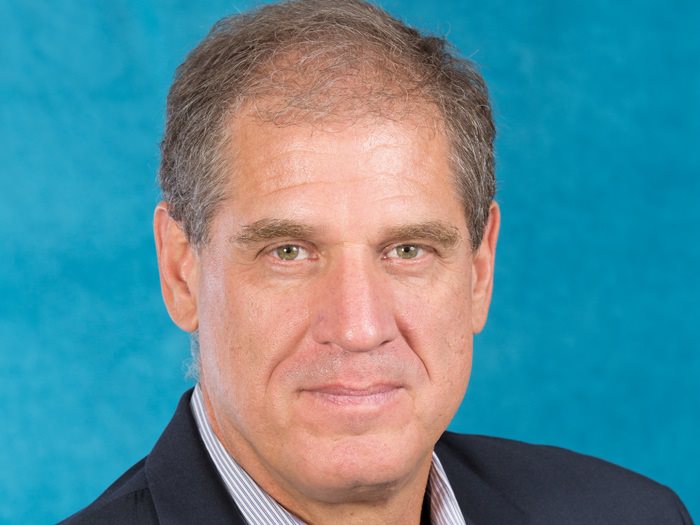
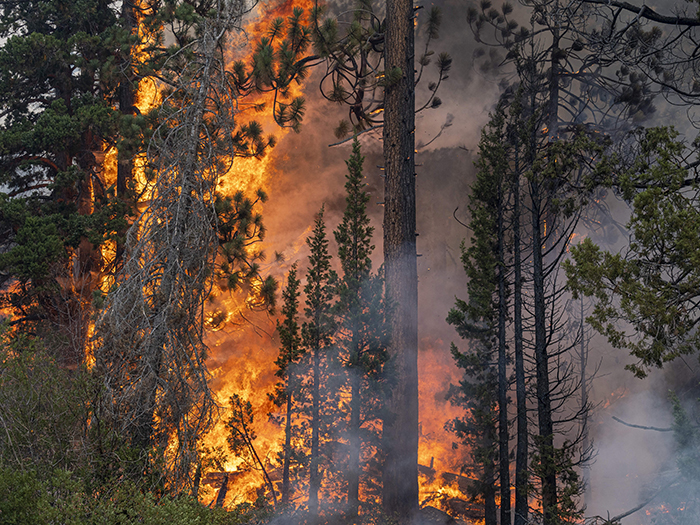
Jeff Huebner of CSAA and Zach Knight of Blue Forest offer their views on how we can manage our forests differently and perhaps better mitigate wildfire risk in the process.
The solar panels rapidly being deployed across the country are vulnerable to damage from hail and costly to replace, limiting their risk transfer options. Parametric insurance injects some much-needed flexibility.
Gartner’s cybersecurity predictions for 2024 reveal a shift toward GenAI adoption, increased focus on human behavior, and the escalating cost of combating misinformation.
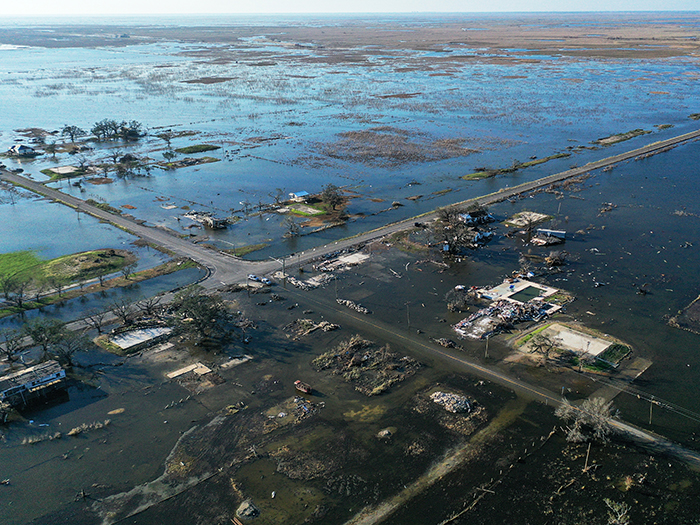
With global insured losses from natural disasters hitting $108 billion in 2023, Swiss Re emphasizes the urgent need for adaptation measures and climate risk mitigation.