Newsletters
 Risk Central
 Digital Edition
2025 Theo Award Winner: Sharp HealthCare
 The COVID-19 pandemic marked a turning point in healthcare—not only in patient care but in the safety of those providing it. Healthcare workers faced unprecedented levels of verbal abuse, physical assaults, and psychological trauma, compounding an already challenging landscape of workers’ compensation claims.
At Sharp HealthCare, a nonprofit health system serving San Diego, this surge added complexity to cases involving traumatic brain injuries, chronic pain, PTSD, and substance abuse. These multifaceted conditions were driving up costs and extending recovery timelines. According to industry data, 20% of work-related injuries lead to chronic pain, which accounts for nearly 80% of total workers’ compensation costs.
The COVID-19 pandemic marked a turning point in healthcare, not only in patient care but in the safety of those providing it—triggering a sharp rise in workplace violence across hospitals and clinics. Healthcare workers began facing increased verbal abuse, physical assaults, and psychological trauma, compounding an already challenging landscape of workers’ compensation claims.
At SHARP Healthcare, a nonprofit health system serving San Diego, this surge added a new wave to an already existing pool of complex cases involving traumatic brain injuries, chronic pain, PTSD, and substance abuse. These multifaceted conditions were driving up costs and extending recovery timelines. Industry data shows that 20% of work-related injuries lead to chronic pain, which accounts for nearly 80% of total workers’ compensation costs.
Scynthia McNabb Syfrett joined Sharp’s workers’ compensation team five years ago—just as COVID was officially recognized as a work-related exposure. She inherited over 1,800 open claims, many requiring trauma-informed intervention. Reflecting on her motivation, Syfrett shares, “I saw firsthand how delayed care was costing not just money, but lives. I wanted to build a system where empathy and early action could truly change outcomes.”
Tackling the Problem
A pivotal moment in Sharp’s strategy emerged through the Employee Occupational Health Department (EOHD), which began identifying patterns of delayed care among injured employees. These delays were often linked to a lack of immediate emotional and psychological support following workplace incidents. Recognizing this gap, Scynthia leveraged EOHD’s insights to develop a proactive intervention model. By integrating EOHD’s early detection capabilities with trauma-informed care pathways, Sharp was able to accelerate recovery, reduce long-term disability risks, and improve overall employee outcomes.
SHARP implemented a biopsychosocial transdisciplinary model to address the biological, psychological, and social factors affecting recovery. Unlike traditional approaches that treat injuries in isolation and physical aspects, this framework integrates all aspects of healing from the outset.
“The key problem was getting behavioral health and telehealth for our employees immediately,” said Scynthia.
Delayed care, especially in cases involving workplace violence, often results in extended isolation, where employees are removed from their work environment without adequate emotional or psychological support. This gap in care can take several weeks to years to close, increasing the risk of chronic psychological injury, long-term disability, and lost productivity.

To combat this, SHARP leveraged internal resources and strategic partnerships:
- The CareForYou program, staffed by SHARP-trained Employee Assistance professionals, provided immediate emotional support.
- CorVel’s post-triage team, trained to assess and escalate mental health concerns, helped identify behavioral health needs early.
- SHARP partnered with the Institutes of Health to ensure rapid access to care following workplace incidents.
The organization developed a system to identify “yellow flags”— or early warning signs for delayed recovery, such as anger, depression, or attendance issues—and trained leaders to ask essential questions along with the Five Whys safety incident causes to better appreciate the true barriers to recovery are in each case. Additionally, asking the questions, “How are you? How can I help you? What do you need?” which are essential for sharing empathy with injured workers to help reduce the impact of psychosocial stressors on recovery.
Together with CorVel, SHARP implemented 24/7 telehealth behavioral health services and used AI technology to analyze case patterns and identify care gaps—ensuring no employee fell through the cracks.
The Biopsychosocial Symposium addressing the transdisciplinary biopsychosocial therapeutic community model highlighted the need to treat the biological, psychological, and social factors affecting recovery and has become a yearly hosted event with our partners in care and clients who are committed to community wellness and professional development. Looking ahead, Sharp HealthCare aims to continue to lead with empathy, innovation, and collaboration, Sharp is not only healing the healers—but transforming the future of workers’ compensation.
Healthcare workers are now five times more likely to experience workplace violence than those in other industries, according to the U.S. Bureau of Labor Statistics. Reports from the Agency for Healthcare Research and Quality (AHRQ) and Nurse.org show that 44% of nurses have experienced physical violence, and 68% have faced verbal abuse. Between 2021–2022, healthcare workers experienced 41,960 nonfatal workplace violence cases requiring time off or job modification, accounting for 72.8% of all such cases in private industry. Post-event costs—including treatment, infrastructure repair, and productivity loss—was estimated at $14.65 billion in 2023, according to the American Hospital Association and Harborview Injury and Prevention Research Center. Highlighting the need for a more sophisticated evidence-based biopsychosocial approach to treating injured workers suffering from workplace trauma.
These complex claims represented more than just financial burdens; industry data shows that 20% of work-related injuries lead to chronic pain, which accounts for nearly 80% of total workers’ compensation costs.
For SHARP, injured workers with these multifaceted conditions were getting stuck in what the organization came to call a “biopsychosocial vortex,” facing longer durations to reach maximum medical improvement or permanent & stationary status.
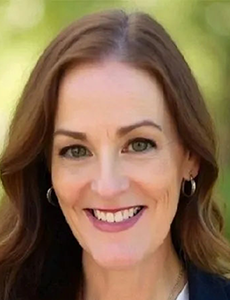
Scynthia McNabb Syfrett, workers’ compensation department manager, SHARP HealthCare
“The key problem was getting behavioral health and telehealth for our employees immediately,” said Scynthia McNabb Syfrett, workers’ compensation department manager at SHARP HealthCare. “In workers’ comp, everybody knows there are waiting periods. When you get injured at work, you could go to urgent care, you could go to an emergency department, you could go to occupational health. Rarely is there someone there who can deal with the psychological and social impact of an injury and do it quickly.”
Traditional treatment models, which failed to address the interconnected biological, psychological, and social components of recovery, were proving inadequate. Workers were often not seen by providers until 45 days after their injury occurred, creating a cascade of complications that transformed simple injuries into complex, costly claims.
SHARP HealthCare responded by implementing a comprehensive biopsychosocial transdisciplinary model of care designed to tackle the barriers impeding recovery for complex claims. Unlike traditional models that treat injuries in isolation, SHARP’s approach integrates biological, psychological, and social factors to guide recovery from the very beginning.
The organization’s innovative approach centers on immediate intervention. SHARP developed what McNabb Syfrett described as treating “the whole onion” rather than focusing on individual body parts.
“It’s not just your right hand. What if all you do is clerical work and you’re right-hand dominant? Now you’re home. You’re in isolation,” she explained.
At the heart of the model is early identification of psychosocial risk factors that can delay recovery. SHARP trained its team to recognize “yellow flags” such as anger, depression, and behavioral changes in the workplace.
“The quickest way to identify it is by anger. Key triggers that we try to teach our leaders is someone making obvious changes in their work,” McNabb Syfrett noted.
The organization implemented a three-question approach for managers:
1) How are you?
2) How can I help you?
3) What do you need?
This simple framework enables early intervention before situations escalate into complex claims. SHARP’s suite of services includes specialized clinics for chronic pain, brain injury rehabilitation, PTSD, substance abuse recovery, and advanced biometric telehealth. The organization partnered with CorVel to provide 24/7 behavioral health telehealth services, ensuring employees can access psychological support immediately following an injury.
“During COVID, we all started looking into telemedicine. How can we use telemedicine in a way that, should our employees get injured, is it immediate? So, you’re not just dealing with a physical injury, you can deal with the whole body,” McNabb Syfrett said.
The transdisciplinary framework breaks down silos between disciplines, fostering collaboration around shared patient goals. Unlike interdisciplinary methods where providers work separately, SHARP’s approach ensures all professionals contribute to a unified treatment plan, reinforcing strategies across sessions to drive meaningful behavioral changes.
SHARP also established a dedicated care unit with employees trained to assess and triage
situations on a mental health basis. This team provides immediate support and guidance, particularly crucial for workplace violence incidents or other traumatic events. The organization discovered that early intervention within the first day often leads to complete resolution within 12 weeks. “If you can get in and tackle it within the first day, you’re done in 12 weeks,” McNabb Syfrett said.
Success to Build On
SHARP HealthCare’s biopsychosocial transdisciplinary model has yielded impressive and measurable results.
Organization: SHARP HealthCare * Location: San Diego* Number of Employees: 20,000 * Category: Health Care
The organization reduced its open case count from 1,800 to approximately 850, with 600 of these cases occurring within the last year and a half. This dramatic reduction represents a 130% closing ratio, with only 200 of the original complex claims still active.
The financial impact has been substantial, with SHARP saving approximately $3 million annually for five consecutive years through this approach. These savings are reinvested into the organization into wellness programs and employee benefits, creating a positive cycle of investment in workforce health and safety.
Safety incidents across the organization have decreased by 25%, demonstrating the preventive impact of the integrated approach. The organization’s focus on early identification and intervention has helped prevent the escalation of minor issues into complex, costly claims.
SHARP’s influence extends beyond its own walls through regular Biopsychosocial & Wellness Symposiums. These events serve as hubs of innovation and industry education, creating ripple effects throughout the health care industry.
CorVel’s ongoing involvement in these symposiums has helped spread awareness and inspire new models of care among other employers.
“SHARP HealthCare is setting a new benchmark in clinical excellence by confronting the most complex claims with compassion, innovation, and rigor,” shared Michael Combs, president and CEO, CorVel Corporation.
“Their embrace of holistic care and commitment to early, strategic intervention reflects a deep understanding of what truly drives better outcomes. CorVel is honored to support their mission, and we believe SHARP’s leadershiphip in transforming recovery for injured workers makes them a standout recipient of the Theo Award.”
The organization has also implemented advanced AI systems to analyze claims patterns and identify potential risk factors. This technology helps SHARP proactively address departmental issues and equipment problems that could lead to injuries.
Looking forward, SHARP is developing a 24/7 triage system to launch using AI bot chat to assess injury severity and direct employees to appropriate care levels, from urgent care to specialized behavioral health services.
The organization continues to refine its accountability measures, focusing not just on employee behavior but on organizational responsibility. “Accountability isn’t just on our employees. It’s on us,” McNabb Syfrett said.
SHARP’s success demonstrates how a comprehensive, early-intervention approach can transform workers’ compensation outcomes while genuinely improving employee care. The organization’s commitment extends beyond mere cost savings to fundamental changes in how workplace injuries are understood and treated.
“Our employees make our organization. We don’t exist without our employees. Our employees make our organization.
SHARP is really the best of the best, and we all believe that not from an egocentric perspective, but because we believe the best of every single one of the persons with us,” McNabb Syfrett said.
“If we can’t take care of our caregiver, we can’t take care of our families and our communities.” &

 The Theo Award celebrates its sophomore year, honoring 32 workers’ compensation programs for their excellence and service to workers across the nation. To learn more about the award and amazing qualities each winner possesses, visit here.