Newsletters
 Risk Central
 Digital Edition
Surety Insurers Hit Record Profits, But Federal Infrastructure Boom Nears End
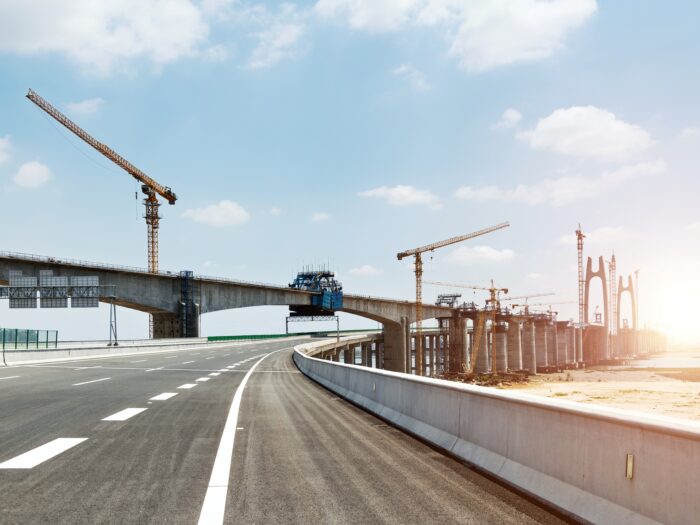
The U.S. surety insurance market is experiencing a golden era of profitability, buoyed largely by federally funded infrastructure initiatives that continue to generate steady demand for contractor and developer bonds, according to a Best’s Market Segment Report.
The surety industry achieved a net profit margin of 45.6% in 2024—its highest level since 2014—with underwriting profits topping $2.35 billion for the third consecutive year, AM Best said.
These stellar results reflect more than simple scaling. The industry’s direct incurred loss ratio improved dramatically, falling to 20.5% through the third quarter of 2025 compared to 24.9% a year earlier. Despite maintaining relatively stable pricing, with increases of less than 1% for 13 of the past 14 quarters, the surety line generated nearly double-digit premium growth through the first nine months of 2025, the report said.
This organic growth—driven by macroeconomic factors rather than rate increases—demonstrates the robust underlying demand for surety bonds as contractors undertake more projects.
The Infrastructure Investment and Jobs Act of 2021, along with the Inflation Reduction Act of 2022 and the CHIPS and Science Act of 2022, have been instrumental in propelling this expansion, AM Best said. These legislative initiatives have directed substantial funding toward clean energy and semiconductor manufacturing projects, many of which require surety bonds for contractors.
Rising Costs and Labor Challenges Threaten Future Growth
While infrastructure investment has created a favorable environment, surety underwriters face mounting pressures that could erode gains achieved in recent years, AM Best said.
Rising construction costs, skilled labor shortages, and supply chain disruptions are combining to increase claim incidences and elevate losses for insurers. Additionally, the tight labor market has forced sureties to adopt firmer underwriting standards, disciplined pricing strategies, and stricter risk selection practices to maintain profitability.
The high underwriting expense ratios typical of surety underwriters—exceeding 49.7% historically—have created a formidable barrier to entry for insurers lacking specialized systems and operational efficiencies, according to the report.
This expertise-intensive barrier has kept the market relatively consolidated, with most surety specialists dedicating over 90% of their net premium written to the surety line. However, this structure also demonstrates the technical competence required to navigate the complexities of surety underwriting successfully, AM Best noted.
Market at a Crossroads as Public Funding Dependency Looms
Private construction spending has declined moderately through the first half of 2025, a shift that could signal challenges ahead for premium growth.
The decline in private sector construction has been partially offset by increased public construction spending tied to ongoing infrastructure projects, but this advantage carries an expiration date: IIJA funding is set to expire in September 2026, potentially leading to a decline in public construction spending once the law’s provisions wind down.
However, hi-tech manufacturing projects, the creation of data centers, and other capital expenditure projects are also creating opportunities where there is a need for surety bonds.
“As technologies become more advanced and insurers consider expansion opportunities in emerging risk areas, the build-out through additional projects may spur future premium growth attributable to public and private infrastructure initiatives over the near term,” said David Blades, associate director of AM Best.
Obtain the full report here. &