Newsletters
 Risk Central
 Digital Edition
MSIG USA’s Tyler Ahrenhold on Construction Risk
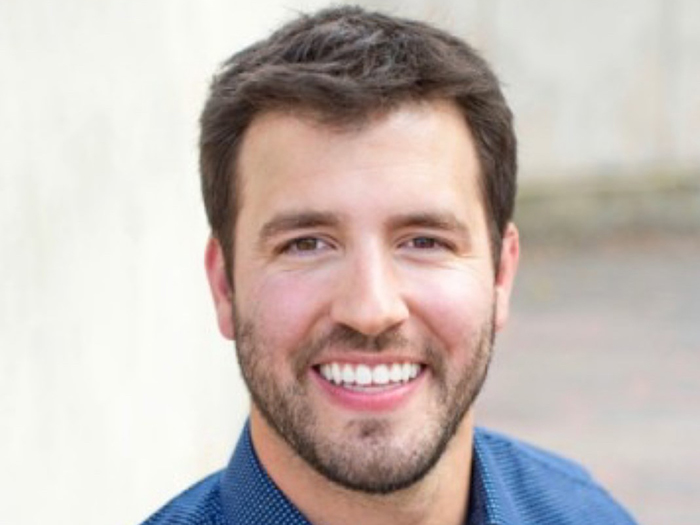
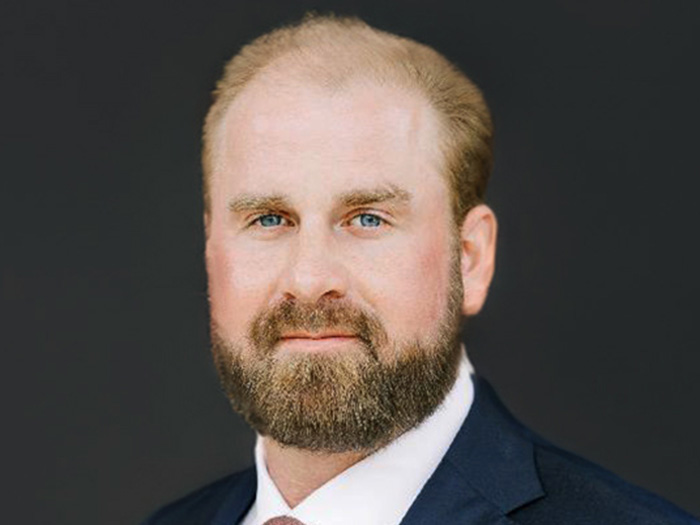
As part of our expanded coverage of our 2026 Construction Power Broker® winners and finalists, Risk & Insurance® recently spoke with Tyler Ahrenhold, Head of Construction and Inland Marine, MSIG USA. MSIG USA was a sponsor of this year’s Construction Power Broker category. What follows is a transcript of that discussion edited for length and clarity.
Risk & Insurance: Thanks for meeting with us, Tyler. From an inland marine and construction standpoint, what changes are you seeing in the risk profile for mega projects like data centers, airports, and hospitals?
Tyler Ahrenhold: The most significant change in the risk profile is the sheer scale and concentration of risk at these facilities, which is causing pressure points. Brokers have had to get creative in their project placements, whether through layered programs, policy structures, and the like. The need for capacity is significant.
Brokers and clients are feeling the struggle in trying to build these programs from ground-up capacity. This impacts the direct insurance and reinsurance markets as we become more intentional in our deployment of capacity at these growing facilities.
At MSIG USA we lean on disciplined underwriting—tight underwriting terms, conditions, and deductibles—to ensure that we’re here to help clients for the long term. We’re also being mindful of these growing accumulations across various campuses around the US and globally. In addition, we place strong emphasis on risk engineering and loss mitigation efforts developed in collaboration with brokers and lead markets to help ensure site-level exposures are thoughtfully evaluated and addressed.
R&I: How do you evaluate supply chain logistics and time sensitivities when underwriting high-dependency projects like data centers?
TA: These projects often include high-value equipment such as servers and computers. Our approach is to collaborate early with brokers and clients to establish line of sight into budget breakdowns. This allows us to identify the equipment, understand the cost, and determine the realistic lead times associated with delivery schedules.
Lead times impact the project schedule and how critical paths evolve over time. Awareness of the manufacturing details and the estimated fulfillment time directly impacts our underwriting strategy.
A big piece of this is also the availability of spares on-site, which improves our overall risk assessment of that time element exposure. Ultimately, we want to ensure those procurement timelines have been baked into the project schedule so we can underwrite these exposures properly.
R&I: What role do brokers play in providing the transparency and sight lines needed on time-related issues, or is that primarily a conversation between the insurer and the insured?
TA: It’s highly dependent upon early collaboration with our brokers. On large, time-sensitive projects, you can’t begin those discussions early enough.
What we’re seeing most often – and what’s been very helpful – is brokers bringing engineering teams and contractor representatives into conversations with the underwriting market. This allows everyone to talk through sequencing, dependencies, and mitigation strategies before positions are set.
Those early market discussions establish clarity and create a more disciplined underwriting process. Inherently, it improves the cadence of our underwriting and our overall assessment of the risk, benefiting everyone involved.
R&I: How are labor issues impacting loss trends, claims outcomes, and quality outcomes?
TA: We’re definitely seeing the impact. Labor shortages are influencing trends across various projects and segments. We’re seeing an uptick in claim frequency, project delays, and more variability in workmanship quality and defect issues.
These challenges stem from experience gaps and limited workforce depth, and this is unfolding in real time across the industry.
We focus on understanding how contractors are managing training, oversight, and documentation. When operational discipline is stronger, loss outcomes can improve. Our goal is to work with brokers and clients early to identify where execution risk may surface and align expectations before issues become claims.
R&I: What is the main disconnect you’re seeing around inflation’s impact on project costs and timelines?
TA: The key disconnect as it relates to inflation may be undervaluing project costs, as well as the timelines and project scope associated with that work.
At times, insurers or clients are challenged with representing their full contract and exposure honestly. They don’t intend to hide information, but they end up undervaluing or underrepresenting the true cost, exposure, and timeline for a project build in today’s environment.
The environment is not the same as it was one, two, or three years ago. Costs are ever increasing. Timelines need to be fully baked to account for all these pressure points.
R&I: How are brokers and carriers helping insureds navigate climate change challenges, particularly regarding resilience and supply chain concerns?
TA: Weather patterns are evolving, and areas that once didn’t flood are now flooding. Severe convective storms are happening more frequently and with higher intensity. Wind, hail, and flood are becoming greater challenges on risk across all regions. Understanding how these weather evolutions impact preconstruction planning and loss mitigation practices across all sites is important.
We’re leaning heavily on owners and contractors to have proper storm emergency plans in place. Your insurer needs visibility into property elevations, where lay down areas will be staged, and how high-valued material items will be protected and stored.
R&I: What are the best practices for how brokers and carriers can work together to help their inland marine and construction clients?
TA: Early collaboration is everything in today’s market and its evolving risk landscape. That’s how carrier questions are addressed thoughtfully and with proper detail and accommodation.
Construction is a world where everyone moves very quickly once the green light is given—permits are in place, financing is approved, etc. But everything that happens before that really dictates the delivery of a successful insurance program.
What’s very positive is that our national placement specialists—our key trading partners on the broker side—are doing a phenomenal job collaborating and communicating early in the process. This ensures that all pressure points, questions, and mitigation practices are addressed.
This approach is showing results in loss trends. We’re seeing better outcomes across many of these mega projects and more technically complex risks.
R&I: Is there anything else you’d like to add on this topic?
TA: I’m very excited about the opportunity here at MSIG USA, both in construction and inland marine. We’re set up for success because there’s significant investment in our Broker relationships and we have the right people in place to drive our business forward.
We are a long-term partner. In construction specifically, these risks have very long tails, and there are many markets that come and go. Showing your true staying power and your commitment to getting these projects to the finish line is becoming the number one component when brokers and clients consider their insurance panels.
You need true partners to service the account. We talked a lot about project delays and impacted timelines. MSIG USA is the partner who delivers confidence with proactive ideas and responsive support, even as project timelines grow and evolve. &