Newsletters
 Risk Central
 Digital Edition
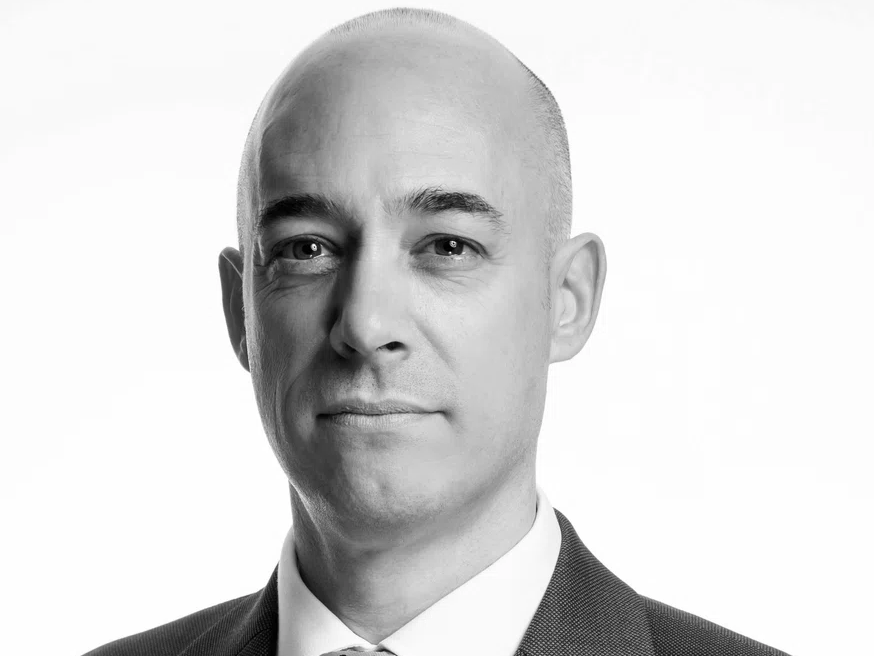
2026 Risk All Stars: Sarah Kroll, City of Lincoln, Neb.

Sarah Kroll, risk management division leader, City of Lincoln, Neb.
For the City of Lincoln, tension between program modernization and employee acceptance came to a head as legacy claims accumulated and program visibility remained limited. Leadership recognized that without change, financial strain and missed opportunities to improve employee outcomes would continue to grow. But any change would need to preserve the trust the City had built with its police, fire, and union stakeholders over many years.
That responsibility fell to Sarah Kroll, risk management division leader for the City of Lincoln. Her work over the past year has become a case study in how to lead transformation while strengthening a culture of employee advocacy.
A Challenge That Was Operational, Financial, and Deeply Personal
For years, the City of Lincoln operated its workers’ compensation program under a self-administered model. That approach reflected a strong commitment to employee care and had built significant internal trust, particularly among police, fire, and union stakeholders. But over time, operational limitations became more difficult to manage.
Legacy claims continued to accumulate. Visibility into program performance was limited. And the organization lacked the analytics necessary to identify trends or improve outcomes proactively.
Internal IT teams had built and maintained the City’s long-standing claims management system, and many stakeholders viewed the possibility of transitioning to a third-party administrator (TPA) model as a threat to the City’s culture of employee advocacy. Employees wanted reassurance they would still be cared for. Union representatives worried injured workers would become numbers on a spreadsheet. Internal teams feared losing processes and systems they had spent years building.
Kroll understood that the challenge was not simply operational or financial. It was deeply personal for many of the people involved.
Leading Change Without Losing Trust
When the City transitioned to a full TPA model with CorVel in October 2024, Kroll approached the change with a clear philosophy: modernization would only succeed if employees and stakeholders believed the City’s commitment to compassionate care remained intact.
Rather than forcing rapid operational change, she focused first on building confidence. She worked closely with legal teams, union representatives, operational leadership, and claims professionals to ensure communication remained transparent and collaborative throughout the transition. Existing processes that employees trusted were preserved where possible, helping ease concerns during a highly emotional period of change.
Kroll also recognized that building trust with Fire, Police, and other departments would require consistent communication, responsiveness, and follow-through over time. While that work remains ongoing, the collaborative approach has helped build trust and reflects her leadership in navigating a highly sensitive organizational transition.
She also understood that better claims outcomes required more than administrative efficiency. She pushed the organization toward a more proactive and strategic model centered on visibility, analytics, and early intervention. &
View All of the 2026 Risk All Stars