Newsletters
 Risk Central
 Digital Edition
Global Risk Consultants Nabs Aon Risk Engineering Group
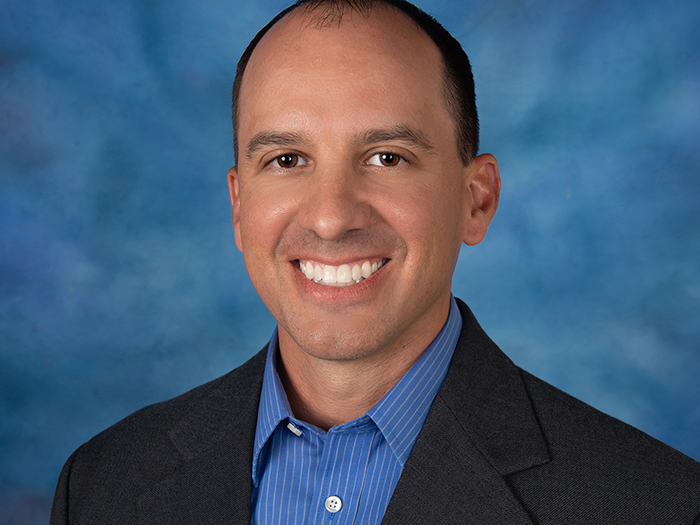
In January, Global Risk Consultants, a division of TÜV SÜD, announced its acquisition of Aon’s U.S. Field Services. Dan Reynolds, the editor in chief of Risk & Insurance, recently caught up with Greg Bates, the CEO of GRC, to dig into the details of the acquisition.
Risk & Insurance: Thanks for meeting with us, Greg. What was the motivation behind GRC’s acquisition of Aon’s US Field Services?
Greg Bates: The main motivation is growth. GRC has grown primarily through organic expansion, adding clients and services steadily over time. Our recent acquisition represents our first major step into inorganic growth, which is an exciting milestone for the company and highly encouraged by our parent organization, TÜV SÜD.
Adding Aon’s U.S. Field Services is a natural fit for us. We were able to bring in a group of experienced engineers along with the client relationships they support, which allows us to grow both our capabilities and our reach at the same time.
Just as important, these professionals bring deep industry knowledge and unique technical expertise, strengthening our ability to deliver high-quality risk engineering services to clients across multiple industries.
R&I: With consolidation happening across the insurance industry, is more M&A on the horizon for GRC?
GB: We certainly see potential for additional acquisitions over time. You see a lot of consolidation right now, whether it’s carriers or brokers, and I think it might be time for a little bit of consolidation in our world as well. TÜV SÜD has plenty of capital to support M&A activities, so we’re always actively looking for opportunities that expand our capabilities, strengthen our engineering bench, and bring new client relationships into the organization.
The Aon acquisition was nice because it’s really one of our core business areas. But we’re also looking at what we call project services — the ancillary services — as potential synergies.
R&I: What falls under those ancillary services beyond the core of risk engineering?
GB: Our core risk engineering services include fire protection engineering, natural hazard analysis, boiler and machinery engineering, and infrared thermography. Beyond those services, the ancillary space includes property valuations, code and project services, arc flash analysis, and even process safety management (PSM). Bringing in the Aon U.S. Field Services team strengthens our ability to deliver these services to clients.
R&I: The acquisition brought about 20 professionals from Aon to GRC. Where does that put the company in terms of headcount?
GB: We’re a little north of 400 professionals worldwide. The team joining us brings decades of risk engineering experience across multiple industries. Talent in this field is incredibly valuable, so adding experienced engineers is a significant advantage.
R&I: What do insurance companies need most from risk engineering services today?
GB: The primary need is high-quality risk data. Carriers and risk managers alike need quality data to make effective risk decisions that align with their unique risk appetites.
Beyond that, it’s all about industry expertise. A facility in the food industry has very different risks than one in automotive manufacturing or power generation. When you look at the different occupancies, you want an engineer who understands the business, understands the equipment, and understands your priorities. That’s where we really excel.
Our engineers are not just inspectors but partners — to help clients work through the risks they have and also understand which risks should be accepted. You can’t insure or transfer all risk. It’s a tradeoff.
R&I: Are companies developing a better understanding of the value of risk engineering over time?
GB: Yes, absolutely. For the longest time, only the largest companies invested in risk engineering. During the recent hard market, smaller companies started seeing the value too.
In the hard market, organizations were being pushed to higher deductibles and retaining more risk. There was more of a reliance on risk engineering — a sense of, “If I’m going to retain more risk, I need to do something about it. I don’t just want to accept it as is. I want to make it better.” That’s where risk engineering really shows its value.
R&I: With the property market now softening after a particularly hard stretch, does that free up resources for companies to invest in risk engineering?
GB: The smartest companies right now are using the softening market as a chance to reinvest in resilience. When the market got hard, it got hard fast, and it really pushed deductibles up and coverages down.
Now’s a chance to reset and get back to alignment with your risk appetite. Reinvesting soft market savings into risk engineering or other resilience measures, has benefits now while preparing you for what’s ahead.
R&I: You’ve been in the CEO role for almost a year now. How has it been going?
GB: It’s been a great experience so far. I learn something new every week. I’ve been with the company a long time, and I think the team has responded really well. What I enjoy most is spending time with our clients and engineers. Being able to bring those two groups together to solve real risk problems is very rewarding.
R&I: How does the Aon Field Service acquisition fit into GRC’s longer-term strategy?
GB: The acquisition amplifies our ability to help clients manage risk. You can never have enough experienced engineering talent, and adding 20 highly skilled professionals is a huge plus.
R&I: Is there anything else about this acquisition or GRC’s broader strategy that we should discuss?
GB: We are really excited about this acquisition because it was a complementary business that included some really senior personnel. I’d welcome more M&A, and we’ll evaluate that going forward. It allows us to expand our services and be well positioned to continue being the industry leader. &