Newsletters
 Risk Central
 Digital Edition
Geopolitical Risk Surges Into Top 10 Global Threats as Organizations Struggle With Preparedness

Geopolitical volatility has catapulted 12 positions to break into the top 10 global business risks for the first time in nearly two decades, even as most organizations remain underprepared to quantify their exposure to major threats, according to Aon’s 2025 Global Risk Management Survey.
The 10th edition of Aon’s survey polled nearly 3,000 risk managers, C-suite leaders and executives across 63 countries. The findings revealed a fundamental shift in how businesses view current and future risks.
Geopolitical volatility now ranks ninth among global risks, reflecting growing instability affecting supply chains, regulatory environments and financial performance. This marks the first time trade and geopolitical challenges have penetrated the survey’s top tier in its 19-year history, according to the report.
Cyber attacks and data breaches remain the foremost concern, unchanged from 2023’s survey, with the rapid adoption of digital platforms and AI technologies expanding vulnerabilities. The threat landscape has evolved significantly, with AI-enhanced incidents becoming more sophisticated and frequent, Aon noted.
Looking ahead to risks in 2028, business leaders expect that geopolitical volatility will increase in priority, moving to fifth place. Other future risks expected to rank higher are AI at eighth place, up nine places from 2023’s survey, while climate change climbs to ninth position, up three places. These additions underscore how technology and environmental pressures are reshaping organizational threat assessments, the report said.
Critical Gaps in Risk Preparedness Create Vulnerabilities
Despite heightened awareness of cyber threats, a troubling disconnect exists between recognition and action, according to Aon. Only 13% of survey respondents have quantified their cyber exposure, contributing to significant underinsurance and leaving businesses vulnerable to financial and reputational damage.
The preparedness gap extends beyond cyber security. A mere 19% of organizations use analytics to evaluate their insurance programs, highlighting widespread reactive rather than proactive approaches to risk management, Aon said.
Aon said it also is concerning that workforce-related risks has dropped from the list of top 10 current risks, despite ongoing talent shortages and rising health care costs. “Failure to Attract and Retain Top Talent” ranked fourth globally in 2023 but has since dropped from the rankings entirely.
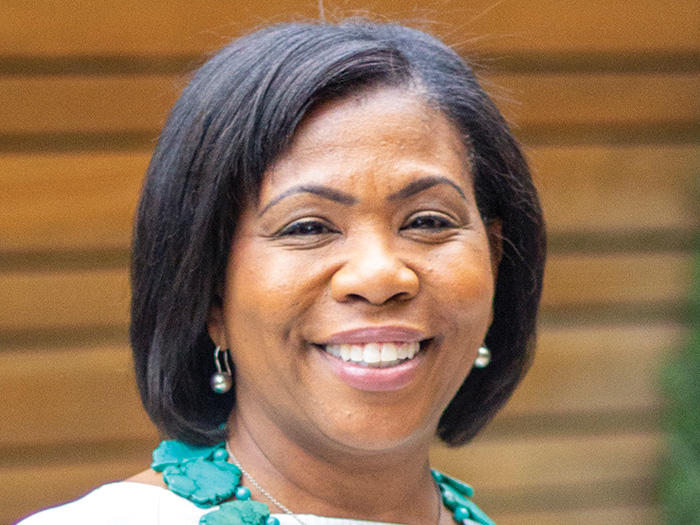
“It’s alarming to see workforce risks slip down the rankings when human capital challenges remain deeply connected to every aspect of business resilience,” said Lisa Stevens, chief administrative officer for Aon. “When you look at the top 10 risks in this year’s survey – cyber threats, supply chain disruptions, geopolitical volatility – they all have a direct impact on the workforce.”
Strategic Transformation Required for Future Resilience
The convergence of multiple risk factors demands a fundamental shift in how organizations approach threat management, Aon said. With 2024 marking the hottest year on record and global insured catastrophe losses exceeding $145 billion, climate change is increasingly viewed as a systemic business risk rather than a distant concern.
“The dramatic rise of trade and geopolitical risk highlights a new reality: volatility and uncertainty are now constants for organizations,” said Joe Peiser, CEO of Commercial Risk for Aon. “From evolving tariffs to shifting alliances, these forces directly impact organizations’ balance sheets. Building resilience through analytics and scenario planning is essential for navigating this environment.”
The report urged a shift from reactive to proactive and integrated strategies. Priorities include analytics-driven scenario planning; embedding cyber at the board level with quantification; and adopting structured AI risk governance and integrated cyber resilience frameworks to close the insurance and preparedness gaps.
View the full report here. &