Newsletters
 Risk Central
 Digital Edition
Sponsored Content by ProAssurance
How Medical Misinformation Is Reshaping the Doctor’s Office—and What Physicians Can Do About It

Three-quarters of American adults now get health care information from social media, according to a recent U.S. News and World Report analysis. A 2024 KFF Health Misinformation Tracking Poll found that two-thirds of adults use AI tools, with up to one-third doing so weekly. And the World Economic Forum’s 2024 Global Risk Report classified the spread of medical misinformation as a major global threat.
For physicians, this isn’t an abstract policy debate. It’s something they encounter every day in the exam room—patients arriving with deeply held beliefs rooted in unvetted posts, algorithmically amplified content, and AI-generated advice that may be dangerously wrong.
“Through various social media platforms—whether it’s Facebook, TikTok, Instagram, or an AI-generated question and answer session—we see a daily, rapid spread of medical misinformation that is truly uncharted and unregulated,” said Jennifer Freeden, Southwest Regional Risk Manager at ProAssurance. “Even if you tried to keep up with the material to somehow manage inaccuracies, the content would likely outpace attempts to regulate those incorrect statements. That type of goal requires dedicated, coordinated efforts.”
The challenge is not only clinical. It carries real implications for risk management, litigation exposure, and the long-term viability of the physician-patient relationship.
A Flood of False Information With Real Consequences

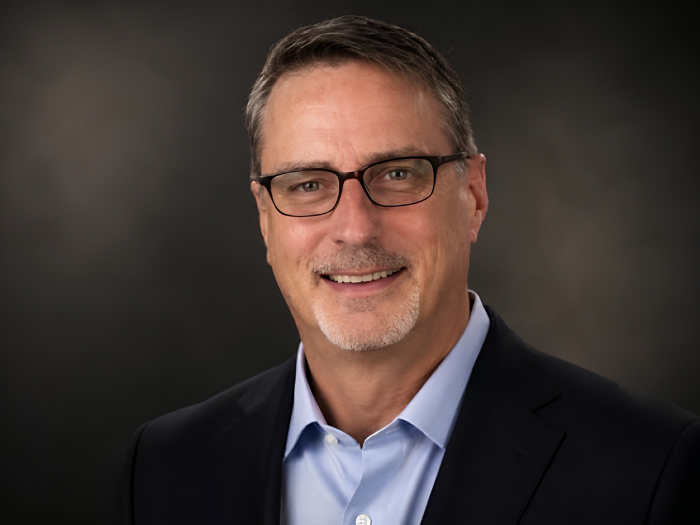
Jennifer Freeden, Southwest Regional Risk Manager, ProAssurance
Understanding the problem begins with a critical distinction. Medical misinformation is data, a graphic, or a statement that is unintentionally inaccurate or misleading and simply hasn’t been vetted for errors. Medical disinformation, by contrast, is inaccurate information generated with the intent to deceive, created by someone who knows it is not true.
Both are proliferating at an unprecedented pace, and both are changing how patients interact with their doctors.
“Medical misinformation is relied upon by users every day, and it can cause fear or apprehension, false beliefs, avoidance of doctor’s offices when patients should be going in, overuse of offices by patients who may not really need certain testing or diagnostics, and a general misunderstanding of the health care issue they’re trying to research,” Freeden said.
Making matters worse, the algorithms powering social media platforms tend to amplify the problem for the most vulnerable users. “One of the saddest parts about the proliferation of medical mis- and disinformation is that the algorithms are set up so those vulnerable users receiving the inaccurate information actually will receive it more frequently,” Freeden said. “The dangerous cycle perpetuates itself.”
The results from a Harris Poll cited by U.S. News and World Report underscore the scope of the issue: 75% of people who share health care and science articles do so based solely on the headline, without ever reading the content or validating the findings.
Meanwhile, social influencers paid to promote supplements, medications, or products face few consequences for making unsubstantiated claims. “Doctors, obviously, have completely different standards when it comes to the health information they’re providing to patients,” Freeden said.
AI-powered search engines and chatbots are accelerating the trend further. A November 2025 study from the Mesothelioma Center found that when AI suggested reported symptoms were not high risk, users would skip making a doctor’s appointment. When AI flags symptoms as high risk—even if they truly aren’t—patients often seek unnecessary testing and diagnoses.
The downstream effects are already visible. Physicians broadly agree that medical misinformation has significantly worsened since the COVID-19 pandemic and that it adds considerable time to patient visits. In some cases, informed consent discussions that once took a single visit now require three or four appointments to get a patient on board with evidence-based care.
And while specific litigation tied to medical misinformation has not yet been formally tied to the malpractice space, related legal activity is emerging. Lawsuits involving AI chatbots that developed unsafe interactions with vulnerable users—leading in some cases to wrongful death claims—signal a shifting legal landscape.
“These chatbot cases are not in the medical malpractice space yet, but they certainly could be if a provider’s office or hospital decided to create their own chatbot for clinical or therapeutic types of interactions and we saw the same results,” Freeden said.
Navigating the Conversation Without Losing the Patient
Despite the challenges, physicians can take practical steps to manage patients who arrive armed with misinformation—and even turn those encounters into opportunities for deeper engagement.
“Patients should be encouraged to arrive at their doctor’s office with questions, seek second opinions when needed, and serve as their own advocates,” Freeden said. “Physician practices need to be prepared for cases when patients are armed with medical misinformation or disinformation.”
Freeden noted that the situation is not entirely negative. “Physicians report that patients who utilize AI often come prepared with more questions that are specifically relevant to their health needs, and they often seem more invested in their own health care outcomes,” she said. “So, it’s not all bad, but we need to know how to best manage and work with patients who may be holding on to dangerous beliefs.”
The key, Freeden said, is a proactive and empathetic approach built around several core principles.
First, physicians should be proactive rather than reactive. Rather than waiting until a patient presents misinformation in the exam room, practices can preemptively discuss the limitations of online health content. “Education on the front end is key—by not waiting until patients have already gone on social media for their health care but preemptively discussing that sometimes the things we see online are not created by experts or even human beings,” Freeden said.
Second, maintaining patient dignity is essential. Physicians who listen first, understand the root of a patient’s beliefs, and respond with calm, evidence-based education are far more likely to preserve trust and achieve better clinical outcomes. “It can be very difficult at times not to have a condescending or frustrated attitude, especially because our physicians already have such precious little time with their patients,” Freeden said.
Third, practices should involve the entire care team. Clinical support staff can play a meaningful role in patient education. “This isn’t solely a physician obstacle; rather, all the clinical support staff should be involved—when and where they can spot trends to loop in the physicians, they should,” Freeden said.
Finally, documentation matters more than ever. Careful records of consent conversations, patient responses, and clinical recommendations create a critical safety net. As misinformation escalates behaviors that have always existed in difficult patient interactions, thorough documentation helps protect both the patient and the practice.
A Risk Management Partner for an Evolving Threat
As a medical professional liability insurer, ProAssurance works closely with the physicians it insures to address these emerging challenges through risk management guidance and support.
“In terms of risk mitigation support, there are a lot of overlapping themes that we always emphasize,” Freeden said. “Obviously, documentation is going to continue to be key when it comes to the varying education and consent conversations that practices are having with patients—and even the steps to get patients to sign certain documentation showing they’re in agreement or not in agreement with recommended clinical courses, and the ‘why’ behind any refusal.”
ProAssurance’s risk management team is fielding a growing volume of questions from physicians about how to handle patients committed to false medical information. The guidance centers on strengthening the physician-patient relationship, providing evidence-based resources to counter myths, and equipping entire practice teams to participate in the education process.
“What we’re telling our practices and physicians is that first and foremost, maintain the doctor-patient relationship by recognizing patient dignity,” Freeden said. “Strengthen that relationship by listening and understanding and finding the root of why patients have a certain perspective, and then calmly and professionally educate the patient.”
Looking ahead, the intersection of medical misinformation and patient care will only grow more complex. Duke University has already launched a dedicated program on misinformation, yet most physicians still receive little formal training on the subject. As regulatory frameworks struggle to keep pace with the speed of social media, the burden falls increasingly on practices—and the risk management partners who support them—to protect both patients and providers from the consequences of a misinformed public.
“Medical mis- and disinformation need to be viewed as an opportunity to be prepared for future patients who are going to come in with this same misconception,” Freeden said.
To learn more, visit RiskManagement.ProAssurance.com.


This article was produced by the R&I Brand Studio, a unit of the advertising department of Risk & Insurance, in collaboration with ProAssurance. The editorial staff of Risk & Insurance had no role in its preparation.