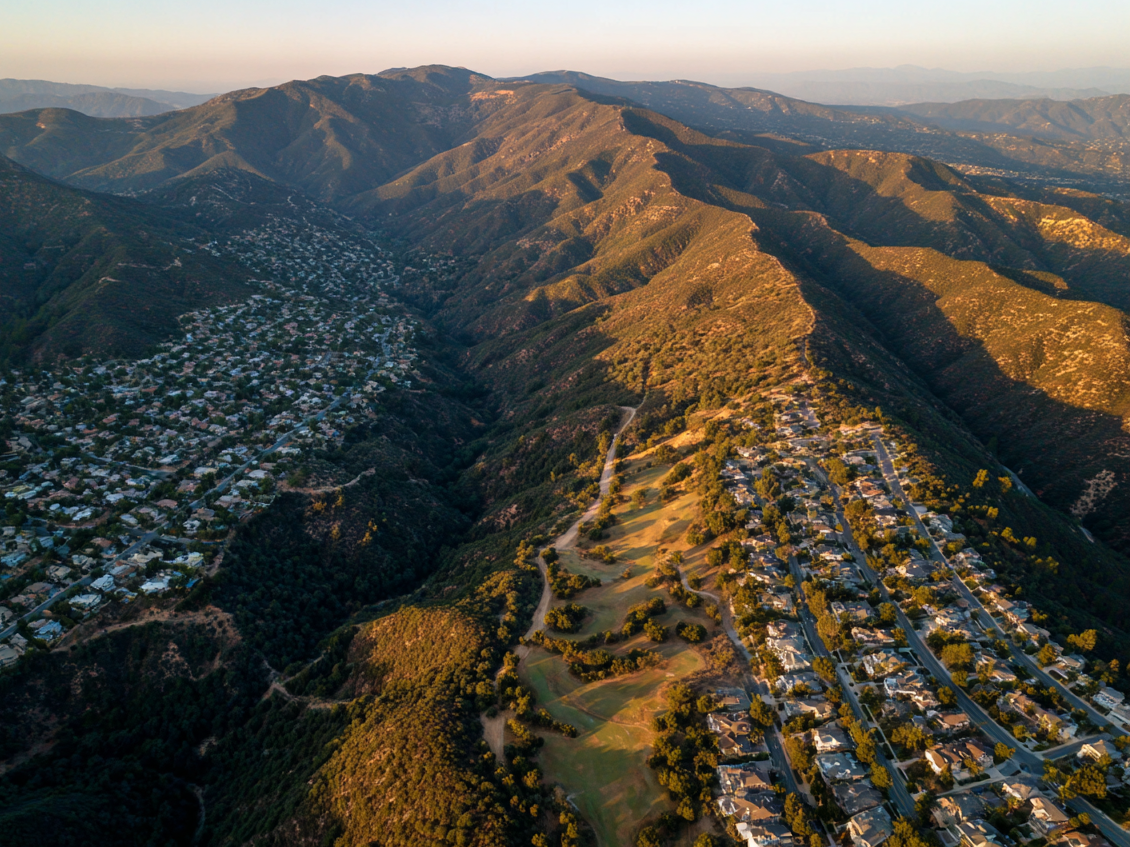
The 2025 Los Angeles fires revealed that catastrophic losses aren’t determined by ignition probability alone, but by whether a fire can scale into a resource-overwhelming event: Delos.
As climate risk changes faster than models can predict, Faura aims to shift the focus to which properties are more likely to survive when disaster hits.
New research from the University of Alabama finds that FORTIFIED construction standards not only protect homes during major storms but also deliver financial benefits to property owners.
In a rapidly evolving landscape shaped by climate challenges and technological disruption, finding the right balance between fostering innovation and protecting consumers has never been more critical, says Scott White.
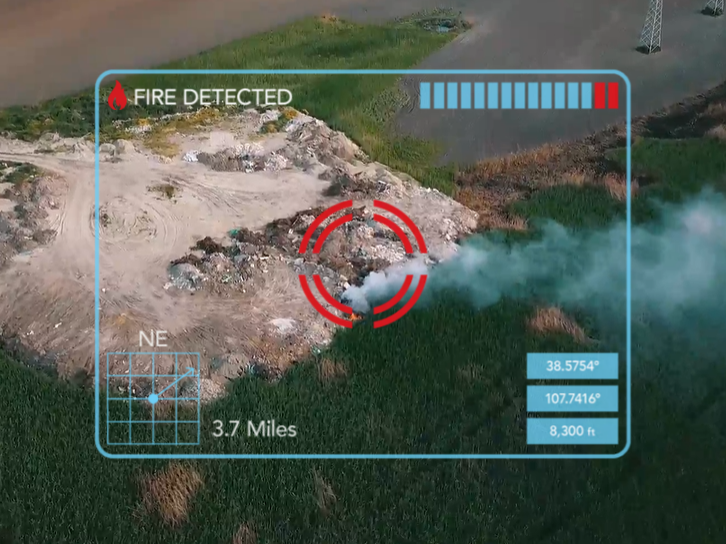
Green Shield Risk Solutions is tackling the wildfire crisis head-on, proving that with the right technology and expertise, these risks can be successfully managed rather than simply avoided.
Creating truly safe roads requires a comprehensive approach that addresses vehicle technology, transportation policy and the risky behaviors that contribute to these preventable tragedies.
As P&C insurers shift toward “predict and prevent” models, fee-based risk management services could more than double revenue by 2030, transforming traditional business approaches, Deloitte says.
Sensors collecting hyper-localized data on dozens of environmental factors are helping to build a better understanding of exposure to extreme weather events, and giving insureds more opportunities to predict and prevent losses.
The risks the world now faces – climate change, economic instability, political crises, cyber crime, supply chain disruptions – are overlapping and amplifying each other.