Newsletters
 Risk Central
 Digital Edition
2025 Theo Award Winner: New York College and University Risk Management Group
 The New York College and University Risk Management Group (NYCURMG), representing 27 colleges and universities across the state, faced a persistent challenge that threatened both employee safety and institutional resources. The consortium had been struggling with escalating lost-time claims, with slips and falls accounting for the majority of workplace injuries across member campuses.
These incidents weren’t just statistics — they represented faculty and staff members whose injuries disrupted their work and personal lives while straining institutional budgets. The recurring nature of slip-and-fall claims indicated systemic issues that required comprehensive solutions beyond traditional reactive approaches.
Campus environments present unique risk management challenges, from weathered walkways and aging infrastructure to New York’s harsh winter conditions that create hazardous surfaces. NYCURMG recognized that addressing these challenges required expertise, resources and coordinated action across all member institutions.
Tackling the Problem
NYCURMG partnered with longtime broker Marsh and their third-party administrator of 25 years, PMA Management Corp., to develop a holistic approach to loss control. The team conducted comprehensive loss analysis at both group and individual member levels, with particular focus on slip-and-fall incidents.
The consortium implemented a multi-faceted strategy targeting root causes of campus injuries. The core driver of success for this program lies as much in the alignment of financial incentives with employee safety via a self-insured model, as it does in its conservative bylaws related to safety standards and trust membership requirements.
By outlining and reviewing a set of minimum loss prevention standards, the group has regular touch points with members. It has also set key performance indicators that are tracked for all members which will trigger program audits, incident reviews, minimum loss prevention standards reviews, and ultimately a loss of standing in the group should a member fail to meet standards.
It focuses on utilizing this information to inform premium levels which in turn helps the financial incentives align with employee safety as institutions have “skin in the game” (i.e. more frequent and severe claims activity will ultimately be paid for by the member institution).
A focus on reporting processes and lag-time has allowed the group to drive up report only submissions, reduce the frequency of unreported/underreported claims, map out all injuries not just those that turn into a claim, and improve record keeping. All of these items ultimately allow for earlier medical intervention on average, and as a byproduct improve claimant outcomes in the aggregate, which helps protect employees, finances and the group’s standing with the NYS Workers Comp Board.
Functionally, the group reviews success stories at quarterly board meetings, and the group often recommends allocating capital funds to addressing infrastructure issues including replacing and repairing stairs, heaved sidewalks, common walkways, and parking lots that had contributed to injuries.
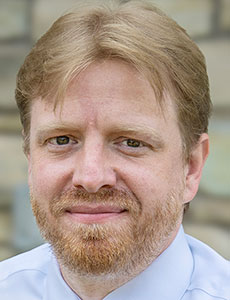
Eric Shinnick, Chairperson, NYCURMG
The group also encourages installing heated surfaces and reviewing walkway maintenance procedures particularly in high-risk areas. Specifically, NYCURMG identified and implemented new floor products with improved slip-resistant ratings across member institutions. The group developed winter-specific initiatives including comprehensive communication campaigns educating employees on hazardous weather preparedness and injury avoidance techniques. Notable incident reviews and success stories also drive soft recommendations for a variety of key functional areas across our campuses.
Campus-wide alert systems were established to notify personnel when inclement weather was expected, complemented by improved hazard signage and enhanced employee training. Each campus developed specific snow removal plans with clearly identified priority areas.
The partnership also implemented root-cause analysis protocols to identify primary loss causes and develop targeted corrective actions for future prevention.
Success to Build On
The collaborative approach delivered impressive results across all key metrics. NYCURMG achieved a consistent reduction in slip-and-fall claims, particularly since 2019, realizing a significant improvement that directly translated to safer campus environments.
Organization: New York College and University Risk Management Group * Location: New York* Number of Employees: 26,584 * Category: Education
The consortium realized nearly 31% reduction in workers’ compensation payments over the five-year period, while reserves decreased by 21%. These combined savings allowed member schools to redirect funds toward educational services while maintaining emergency cash reserves.
Perhaps most importantly, claim reporting efficiency improved dramatically, with lost-time claim reporting time dropping sharply — enabling faster intervention and better outcomes for injured employees.
“As a self-insured group, NYCURMG partnered with their broker Marsh and PMA Management Corp. to strengthen campus safety and reduce total cost of risk. Together, we focused on decreasing workers compensation claims—particularly slip-and-fall incidents—while also improving timely claim reporting. This Theo Award recognition highlights the group’s unwavering commitment to protecting faculty, staff, and students,” said Charles Bolesh, Assistant Vice President of Sales, PMA Management Corp. &

 The Theo Award celebrates its sophomore year, honoring 32 workers’ compensation programs for their excellence and service to workers across the nation. To learn more about the award and amazing qualities each winner possesses, visit here.