The best of R&I and around the web, handpicked by our editors.
White papers, service directory and conferences for the R&I community.
Web replica of the print magazine.
When choosing a risk mitigation strategy, one has to be mindful of the perils of unintended consequences.
Opioid use is ticking down slightly, but high-priced specialty drugs, compound medications and physician dispensing are giving WC risk managers and payers all they can handle.
Recalling the turnaround at The Hartford, in his own words.
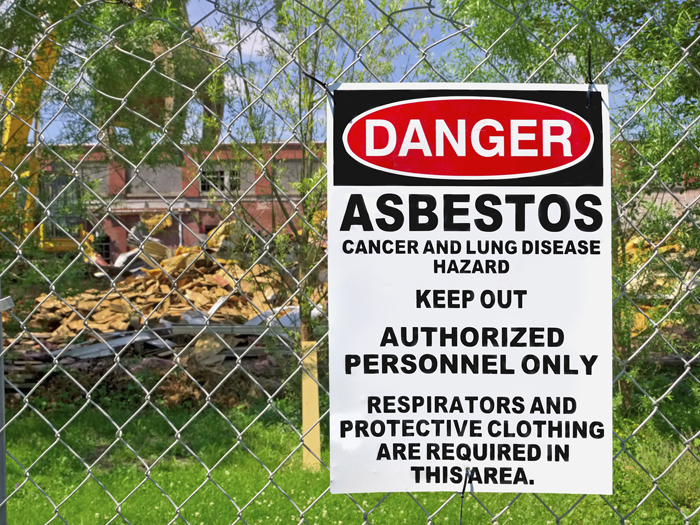
Asbestos liability claims have stubbornly lingered, which has been vexing for companies that didn’t even realize they had inherited the exposure.
Musculoskeletal disorders account for the majority of occupational injuries, but too few resources are dedicated to preventing them.
The location of suppliers should be a key consideration in supply chain risk management.
Capacity is lining up to cover drones, but a lack of historical data and useful regulation hamper the industry.
New studies warn that some of the world’s largest aquifers may soon run dry, with no hope of ever filling again.
It is time for tenants to start bearing the cost of fires caused by their negligence.
Modeling will make the market, experts at a New York industry event said.
Emerging exposures create new complexity for public entities.
Procurement and risk management must partner together to help their organization grow, but in some companies, they rarely even talk.
It’s doubtful that insurers (or any other industry) are well served by deliberately ignoring outliers.
Healthcare providers continue to face numerous emerging challenges.
Reported ransom demands are running at around $1 billion per year globally.
Climate change is speeding the deterioration of an already aged system. The fix will cost trillions.
Employees traveling abroad face new abduction risks that are more difficult to resolve than a ransom-based kidnapping.
The new wave of “social engineering” scams by cyber fraudsters is costing corporate America billions. The best defense is education and collaboration.
Allergens and global supply chain increases risk to food manufacturers. But new analytical approaches help quantify potential contamination exposure.
Wearable technology can have a meaningful impact on costs through injury prevention and creative case management.

 Newsletters
 Risk Central

 Risk Central
 Digital Edition