Newsletters
 Risk Central
 Digital Edition
Record Government Shutdown Won’t Derail Workers’ Comp: NCCI
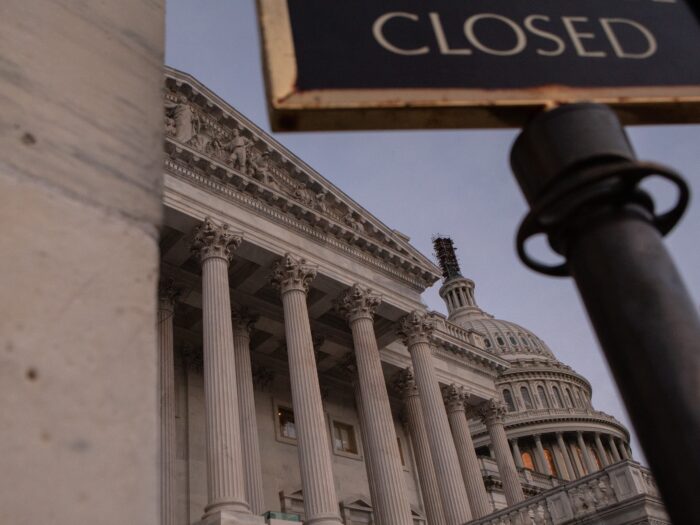
Despite the 2025 government shutdown setting a new record as the longest in history at 43 days, historical precedents indicate that such funding lapses typically result in delayed rather than lost economic activity, with minimal long-term impact on the macroeconomy or workers’ compensation, according to a recent analysis by the National Council on Compensation Insurance (NCCI).
While government shutdowns are not rare—there have been 11 funding lapses exceeding one day since 1980—the duration of recent shutdowns has increased significantly. The 2025 event eclipsed the previous record of 34 days set in 2018–2019.
However, past data reveals a consistent pattern: economic dips during shutdowns are often followed by immediate rebounds. For instance, during the 2018–2019 shutdown, real GDP and consumer spending decelerated in the fourth quarter but bounced back sharply in early 2019 once funding was restored.
A 2019 analysis by NCCI likens these events to natural disasters like hurricanes, a comparison that still holds.
While the immediate impact on specific individuals, locations, and industries can be severe, the micro-level disruptions are generally short-lived, the report said. Once the “storm” passes, the negative effects often reverse, leaving little trace on long-term macroeconomic data.
The 2025 outlook appears similar, with solid GDP growth in the second and third quarters providing a buffer against the uncertainty caused by the funding lapse, according to NCCI.

Source: NCCI
Challenges for Workers and Industry
The primary challenge during a shutdown lies in the immediate financial strain on furloughed workers and the resulting dip in consumer confidence. During the 2025 shutdown, non-essential workers were furloughed, and essential personnel—those protecting life and property—worked without pay. This creates anxiety and temporarily halts personal spending.
However, legislative changes have mitigated some of these risks. The Government Employee Fair Treatment Act of 2019 guarantees immediate back pay for federal workers once a lapse in funding ends. This provision allows workers to quickly reverse debt accumulation or savings depletion.
Furthermore, the timing of the 2025 resolution on November 12 was advantageous. By resolving the issue early in the fourth quarter, back pay reached workers before the critical holiday season, likely concentrating the economic impact within a single quarter and diminishing disruptions to travel and retail sectors.
Implications for Workers’ Compensation
For the workers’ compensation sector, the extended shutdown is expected to have a negligible impact, the NCCI said. Because the resolution included protections for workers, current trends in employment and wages are unlikely to shift significantly. The temporary furloughing of employees who subsequently receive back pay does not typically alter the broader wage trends that drive workers’ compensation metrics, the report said.
Additionally, the structure of federal insurance limits the exposure for the private market. Many federal agencies are self-insured, which contains the potential impact on collected premiums. Ultimately, while the 43-day shutdown generated significant headlines and temporary local hardships, the NCCI report concludes that it will not act as a catalyst for broader economic decline or material shifts in the workers’ compensation industry.
Read the NCCI report here. &