Newsletters
 Risk Central
 Digital Edition
Mental Health Emerges As Workers’ Top Safety Concern
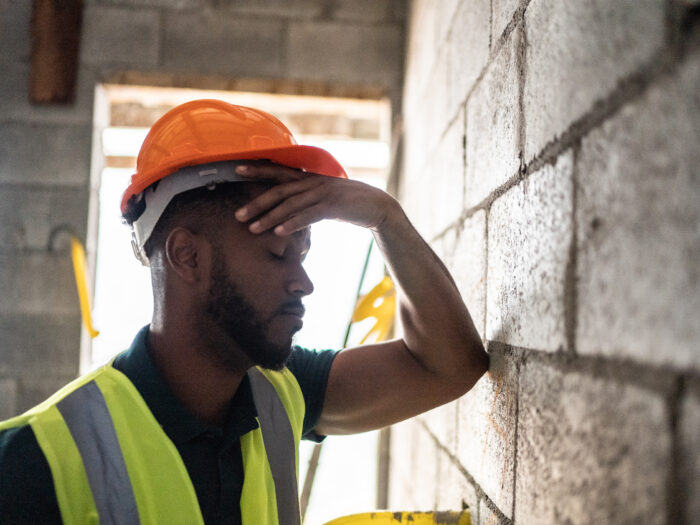
Nearly one-third of small business employees now rank mental health as their primary workplace safety concern—surpassing traditional physical hazards—yet workers are less confident than employers that these issues can be addressed, according to a survey by Pie Insurance.
The traditional hierarchy of workplace safety concerns has been upended, according to the survey report. While employers continue to focus primarily on physical, environmental, and equipment risks, employees are sounding a different alarm.
Mental health concerns now dominate the safety landscape, cited by 32% of workers as their top safety issue—significantly outpacing physical injury risks at 20%, environmental hazards at 9%, and equipment safety at just 4%.
This shift carries real consequences beyond the workplace, according to Pie Insurance. More than one-third of employees report that workplace stress impacts their personal lives, with 63% experiencing reduced motivation or burnout, 62% dealing with increased anxiety or depression, and 51% suffering from sleep disruption.
Despite widespread agreement that mental health represents a critical issue, a troubling implementation gap persists. While 52% of employers claim to have mental health protocols in place, only 30% of employees report observing these protocols—a 22-point disconnect that suggests many well-intentioned programs may be invisible to their intended beneficiaries.
Pie Insurance also observed a confidence gap, with 91% of employers in an earlier survey expressing confidence they can address mental health issues while only 62% of employees surveyed share that confidence.
Communication Barriers and Training Gaps Compound Safety Challenges
Fear and miscommunication create additional safety vulnerabilities across small businesses, according to the report.
Nearly one in five employees hesitates to report safety concerns, with 35% citing fear of retaliation as the primary deterrent. Another 33% worry about appearing difficult, while 31% believe nothing would be done even if they spoke up—indicators that point to deeper cultural issues rather than simple policy problems, according to the report.
“When workers don’t feel safe speaking up, small issues can turn into big claims,” said Carla Woodard, senior vp of claims at Pie Insurance. “The businesses that create open communication channels, where employees feel heard rather than blamed, consistently see better safety outcomes.”
Training delivery represents another critical disconnect. While 63% of employers believe they provide structured safety training, only 29% of employees report receiving regular, structured sessions. More concerning still, 28% of workers say they’ve never received any formal workplace safety training—a 34-point gap between employer perception and employee reality, the report noted.
The technology divide adds another layer of complexity. Nearly half of employers report using AI applications, yet only 20% of employees are aware of their company’s AI usage. This awareness gap extends to future expectations, with 64% of employers believing AI will improve worker safety over the next five years, compared to just 23% of employees who share this optimism.
Bridging the Divide Requires Cultural Shifts, Not Just New Programs
Employees aren’t simply identifying problems—they’re offering practical solutions that focus on time, flexibility, and genuine engagement rather than expensive programs or complex systems, according to the report. When asked what would improve safety, workers consistently prioritized schedule flexibility and mental health days over formal training programs or counseling services.
Employees want flexible work arrangements (19%), mental health day allowances (17%), and most critically, a voice in safety decisions—with 22% requesting more participation and feedback opportunities in safety planning.
“Small businesses thrive when their people feel genuinely safe and supported,” said John Swigart, CEO of Pie Insurance. “Our goal with this research is to help employers see the reality their workers are experiencing so they can create environments where both employees and businesses succeed.”
Obtain the full survey here. &