Newsletters
 Risk Central
 Digital Edition
Empatha’s Darrell Bruga on How Psychosocial Factors Drive 50% of Return-to-Work Outcomes
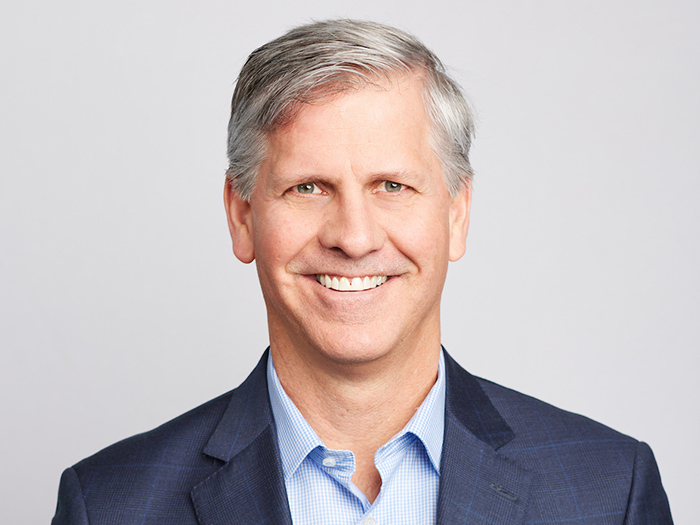
At National Comp 2025 in Nashville, Risk & Insurance sat down with Darrell Bruga, CEO of Empatha, to discuss why the workers’ compensation industry’s medical-first approach is missing half the picture — and how integrating behavioral health early can prevent claims from becoming years-long odysseys of failed treatments.
In this conversation, Bruga shares insights from his years running a multidisciplinary pain program, where he saw complex claims arriving five to ten years old after every medical intervention had failed. He discusses how psychosocial factors like catastrophic thinking and fear avoidance account for 50% of why people don’t return to work, and how Empatha’s Progressive Goal Attainment Program combines behavioral health and physical rehabilitation into one model.
Using AI to analyze over 20 million workers’ comp claims, Empatha identifies high-risk cases early — ideally within the first six months — while maintaining the human-centered approach that keeps injured workers at the center of care. &