The best of R&I and around the web, handpicked by our editors.
White papers, service directory and conferences for the R&I community.

Web replica of the print magazine.
A deeper dive into the 2020 AC Transit data breach demonstrates how organizations facing cyberattack can come back stronger, with resilience at the fore.
Broker profitability due to contingent commissions reflects carrier profitability, with P&C lines leading.
Business travel is increasingly becoming riskier for employers and employees.
Communication is essential to keep workplace systems safe from cyber criminals.
An earthquake decimates a retailer’s servers and its supply chain.
After their exclusive agency agreements were terminated, the agents argued a franchise law should protect them.
An M&A uptick won’t impact insurance pricing right away.
Aspen Insurance views the expertise and data of their claims professionals as a valuable asset.
Post-injury drug and alcohol testing of employees — or PIDAT — can help companies support safe work behavior and successfully challenge claims.
Some evidence indicates medical marijuana may be useful to treat pain, but the workers’ comp system is not yet equipped to handle the issue on a large-scale basis.
To discover and mitigate adverse claims trends, Southwest Airline’s workers’ comp program manager fosters cooperation.
Insurance policies would cover claims for fantasy football owners whose players suffer major injuries during the season.
Companies prioritize operational risk management, but many do not believe their vendors are doing the same.
Risk managers should conduct key assessments before buying any cover.
Insurance payouts may help take some of the sting out of the loss of two Yankee star pitchers.
Insurance company assets-under-management growth is weak compared to other global asset management.
Workplace shoulder injuries are challenging workers’ comp payers, especially as the nation’s workforce ages.
Risk managers who personally believe in their organization’s mission make a difference to its success.
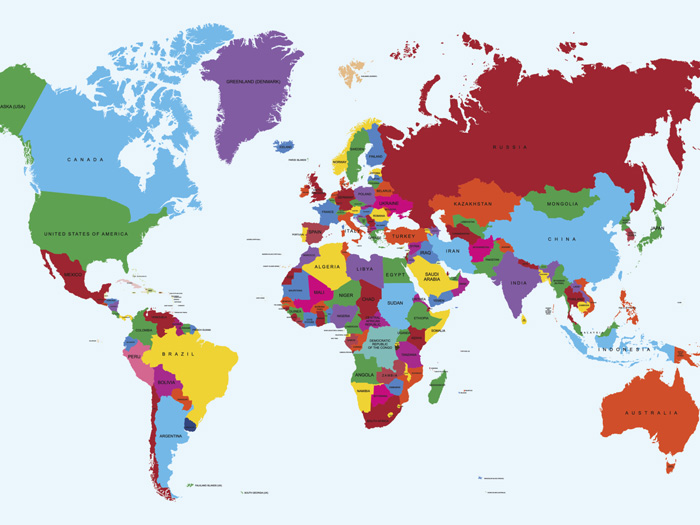
Norway ranked first, while the Dominican Republic was worst at providing favorable supply chain factors.
U.S. companies that don’t heed the reform may face harsh penalties.
Tech firms face multiple perils in addition to cyber risks.